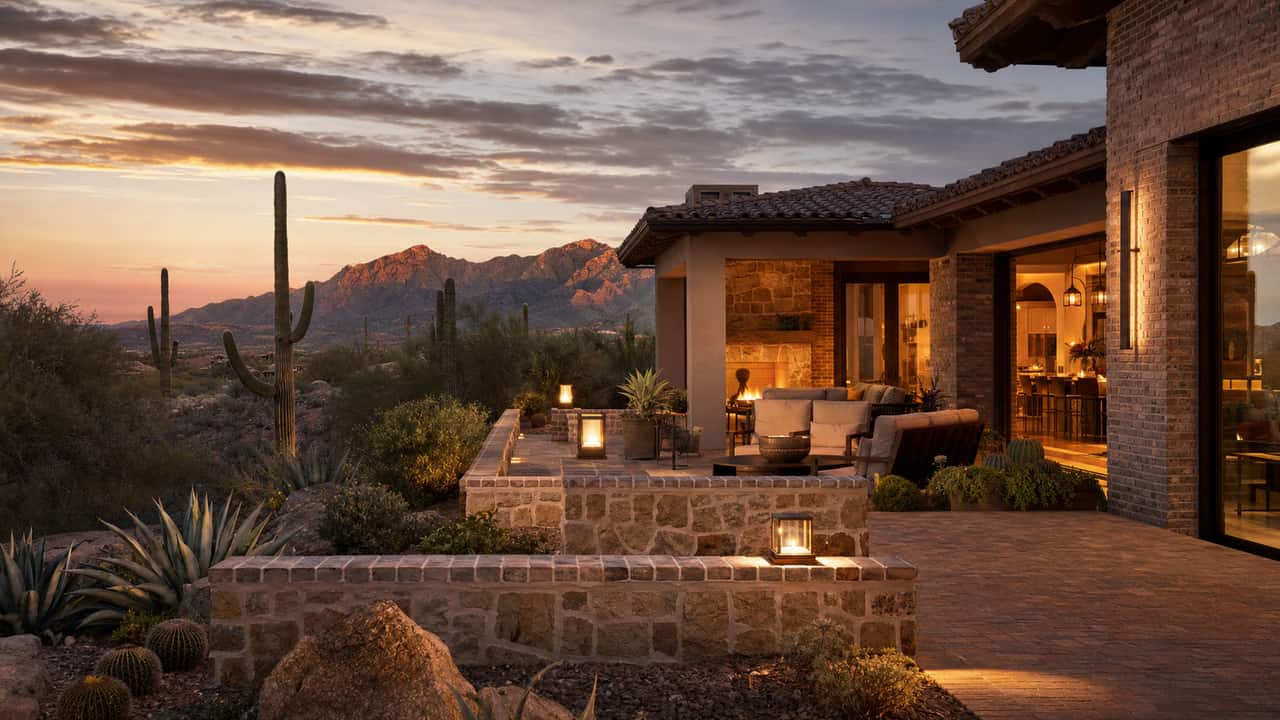
Brick vs Concrete Block: Which Is Better for Arizona Homes?
Both hold their own in the desert. Brick brings timeless charm, excellent thermal performance, and long-term durability against relentless sun. Concrete block tends to be quicker and more budget-friendly for bigger structural jobs. The real answer comes down to your style preferences, budget, and whether the project is decorative or load-bearing.
What Are the Best Brick Colours and Styles for Tucson Homes?
Warm, sun-baked tones like terracotta, sand, and rustic red feel right at home against Tucson's Sonoran backdrop, especially on traditional Southwest builds. For a sleeker, modern look, charcoal or grey brick works beautifully. Textured or tumbled finishes are a smart bonus, too, since they hide dust and weathering gracefully in our dry climate.
Why Is Brick One of the Best Building Materials for Arizona Homes?
Brick simply shrugs off what Arizona throws at it. It handles scorching sun, wild temperature swings, and sudden monsoon storms with ease, while its natural thermal mass helps keep indoor spaces more comfortable. Add in low maintenance, fire resistance, and timeless good looks, and it's easy to see why brick remains a smart long-term investment.
Brick vs Stone: Which Is Better?
It really comes down to what you're after. Brick delivers a clean, uniform look at a friendlier price point, while natural stone offers rugged texture and an unmistakably high-end feel for a bit more investment. Both stand up beautifully to Arizona's climate, so let's talk through your style and budget to find your fit.
Should You Choose Brick or Concrete Block?
Brick shines on decorative walls, facades, and smaller structural touches where curb appeal matters most, while concrete block is often the go-to for larger walls, foundations, and projects where speed and budget are the priority. The best fit depends entirely on your project's purpose, and we're glad to help you weigh it out.
Does Brick Increase Home Value?
In most cases, yes. Buyers and appraisers alike tend to associate brick with durability, quality, and low upkeep. In Tucson's competitive market, well-maintained brickwork can genuinely set a home apart, particularly next to properties with tired, deteriorating masonry that signals deferred maintenance rather than pride of ownership.
What Are Common Brick Masonry Mistakes to Avoid?
The usual culprits include using a mortar mix that's wrong for our climate, skipping proper drainage planning, rushing foundation prep, and mismatching brick during repairs. Cutting corners on materials or experience almost always shows up later as premature cracking. Working with a contractor who knows Arizona conditions helps you sidestep these costly errors.
How Does Weather Affect Brick Structures?
Tucson's intense UV rays gradually fade and weaken mortar, while sudden monsoon downpours put drainage and sealing to the test. Even without freeze-thaw cycles, extreme heat causes constant expansion and contraction that stresses masonry over time. Choosing climate-smart materials and techniques helps your brickwork stand up to all of it.
What Are the Benefits of Brick for Residential Homes?
Brick brings durability, minimal upkeep, fire resistance, and impressive thermal performance that helps your home stay comfortable against Arizona's heat. It also ages gracefully, with no repainting or major restoration needed for decades. For homeowners wanting a lasting investment built for harsh desert conditions, brick continues to be a smart, dependable choice.
How Do You Choose the Right Masonry Contractor?
Look for proper licensing, insurance, genuine local experience with Arizona's soil and climate, clear written estimates, and a solid portfolio of completed work. Ask about warranties, and don't skip the reviews. A trustworthy contractor gives you an honest assessment upfront rather than a suspiciously low quote that skips essential prep work.
What Is Tuckpointing and When Does Your Brickwork Need It?
Tuckpointing is the art of carefully removing worn-out mortar and replacing it with fresh material, restoring both strength and good looks to your brickwork. Watch for crumbling mortar, visible gaps, or water stains as telltale signs. Tucson's punishing sun and monsoon rains speed up wear, so don't wait too long to address it.
Can Damaged Bricks Be Repaired Without Rebuilding the Wall?
Good news: most of the time, yes. A skilled mason can carefully pull out individual damaged bricks and slot in matching replacements without touching the rest of your wall, as long as the underlying structure is still solid. It's a faster, far more affordable fix than a full rebuild, with results that blend right in.
How Do You Maintain a Brick Patio in Tucson's Desert Climate?
Keep it swept clean, reseal every few years to guard against relentless UV fading, and inspect the joints after monsoon season for any erosion. Pull weeds between bricks quickly before they cause shifting. A little consistent care goes a long way toward keeping your patio looking sharp through Tucson's extreme seasonal swings.
How Much Does Brick Masonry Cost?
Pricing swings quite a bit depending on project size, brick type, labor, and site conditions. Small repairs might run a few hundred dollars, while a full wall or custom fireplace climbs considerably higher. The most reliable way to nail down your number is a detailed, on-site quote tailored to your specific project.
Can Cracked Bricks Be Repaired?
Yes, and often more easily than homeowners expect. A mason can remove and replace the damaged brick, or in minor cases, patch it with color-matched mortar. The right fix depends on what caused the crack and how severe it is. Leaving it alone risks letting moisture sneak in, so it's worth getting it checked.
What Causes Bricks to Crack?
Cracks usually trace back to shifting soil, poor original installation, water intrusion, or added structural stress from nearby construction or tree roots. In Tucson, our expansive clay soils are a frequent troublemaker, which is exactly why solid foundation work upfront makes such a difference in preventing cracks from creeping back in.
How Do You Maintain Brick Walls?
Give mortar joints a yearly once-over, clean surfaces gently so you don't wear down the brick face, and jump on small cracks or gaps before water finds its way in. Skip high-pressure washing, which can erode mortar over time. After Tucson's brutal summers, it's smart to check for any heat-related expansion cracks too.
What Are the Signs Your Brickwork Needs Repair?
Keep an eye out for crumbling or missing mortar, cracks running through the bricks themselves, sections that bulge or lean, white mineral staining called efflorescence, and gaps that could let water sneak in. Catching these early keeps a small fix small, especially with Tucson's harsh sun and monsoon season working against your walls.
What Is Tuckpointing?
Tuckpointing is a precise repair technique where old, crumbling mortar joints are carefully cut out and replaced with fresh mortar, giving your brickwork both renewed strength and a cleaner finished look. It's a targeted, cost-effective fix rather than a full rebuild, ideal for extending the life of walls, chimneys, and other masonry.
When Does Brick Need Repointing?
Typically every 25 to 50 years, though the timeline shifts depending on your original mortar mix and local climate. Tucson's intense sun and seasonal monsoons can speed things along, so it's less about a strict calendar and more about watching for crumbling, cracking, or visibly eroding joints as your cue to act.
How Long Does Brick Repair Take?
Small fixes, like swapping out a few bricks or patching mortar, can often wrap up in a single day. Larger tuckpointing jobs or full wall sections may take several days once you factor in drying time and scope. Weather and the extent of damage both play a role in the final timeline.
Can You Match Old Bricks During Repairs?
Most of the time, yes. Experienced masons can track down reclaimed brick or blend closely matching units into less visible spots, keeping the repair looking seamless with the original structure. Older or discontinued styles can make a perfect match tricky, but a skilled hand minimizes the visual gap noticeably.
Should You DIY Brick Repair or Hire a Professional?
A minor cosmetic touch-up might be within reach for a handy homeowner, but structural repairs, proper mortar matching, and drainage considerations are surprisingly easy to get wrong. A poorly executed DIY fix can trap moisture and make things worse. For anything beyond the surface, a professional mason protects your investment for years to come.
How Often Should Brickwork Be Inspected?
An annual check-up is a solid habit, with an extra look after major monsoon storms just to be safe. Regular inspection catches early warning signs, like mortar breakdown, hairline cracks, or moisture creeping in, before they snowball into bigger structural headaches. It's a small effort that pays off in years of added lifespan.
How Often Should a Brick Chimney Be Inspected?
Once a year is the sweet spot, especially before cooler months bring heavier use. Tucson's brutal sun, monsoon downpours, and shifting desert soil put extra strain on mortar and brick. A quick annual look catches small cracks or loose joints early, saving you from a much bigger, costlier repair down the road.
Do You Need a Chimney Inspection?
Yes, and an annual check is worthwhile even in Tucson, where fireplaces see lighter use than in colder climates. Inspections catch structural cracks, deteriorating mortar, and hidden blockages before they turn into safety concerns. It's a modest investment that consistently saves homeowners from far more expensive repairs later on.
How Long Does a Chimney Last?
A well-built, properly maintained masonry chimney can easily last 50 years or more. Materials, weather exposure, and how consistently it's maintained all shape that lifespan. In Tucson, sun and monsoon exposure can wear down mortar joints faster than expected, which is exactly why regular inspection matters so much.
What Common Chimney Problems Do Homeowners Face?
The usual suspects are cracked or spalling bricks, deteriorating mortar joints, sneaky water leaks, a damaged cap or crown, and creosote buildup in wood-burning units. Left unchecked, any of these can chip away at structural stability or create real safety risks. Routine inspection keeps small problems from quietly becoming big ones.
What Are the Signs Your Chimney Needs Repair?
Look for crumbling mortar, cracked or shifting bricks, a chimney that's started to lean, water stains showing up on interior walls nearby, or a damaged cap or crown. Any of these can point to deeper structural or moisture issues, so it's worth having a professional mason take a closer look before it worsens.
Should You Repair or Replace Your Chimney?
Repair usually does the trick for isolated issues, like cracked mortar or a damaged crown, while full replacement becomes the smarter move once the structure is significantly compromised or visibly leaning. A professional assessment tells you clearly whether targeted repairs will restore safety, or whether rebuilding is truly the better long-term call.
How Much Does Chimney Installation Cost?
Pricing depends on chimney height, materials chosen, design complexity, and whether it's standalone or built into a larger structure. Masonry chimneys typically cost more upfront than prefabricated metal options, but the durability and curb appeal often make it worthwhile. An on-site assessment gives you the most accurate number for your project.
How Are Chimneys Built?
Construction begins with a solid footing and foundation, then builds up the flue liner and surrounding masonry course by course, with careful attention to mortar joints and structural support along the way. A cap and crown finish things off up top, directing water away and keeping debris out, all while meeting code.
What Type of Chimney Is Best?
It really depends on your fireplace or heating appliance, your budget, and the look you're going for. Masonry chimneys deliver timeless durability and curb appeal, while metal flue systems can be a more cost-effective fit for certain setups. We're happy to help you weigh which option makes the most sense for your home.
How Do You Maintain a Masonry Chimney?
Schedule an inspection every year, keep the cap and crown in good shape to block water intrusion, and tackle mortar deterioration promptly with tuckpointing rather than letting it slide. After Tucson's monsoon season, a quick check for cracks or debris is a smart habit that keeps repairs small and manageable.
Do You Need a Permit for a New Chimney?
In most cases, yes. New chimney construction typically requires a permit from your local building department to ensure everything meets code and stays safe. Requirements can vary between the City of Tucson and Pima County, so it's worth checking early. We can help guide you through that process smoothly.
Does a Brick Outdoor Fireplace Add Value to Your Home?
Absolutely. A brick outdoor fireplace turns an ordinary backyard into a genuine selling point, giving buyers a ready-made gathering spot they can picture themselves enjoying. In Tucson, where evenings outdoors are practically a lifestyle, quality masonry craftsmanship signals lasting value and often pays back a meaningful share of its cost at resale.
Can You Build an Outdoor Fireplace Without a Chimney?
Yes, plenty of stunning outdoor fireplaces skip the chimney entirely, relying on open-hearth designs or gas-fueled units instead. That said, a properly built chimney or vent does wonders for smoke control and safety with wood-burning setups. We'll walk you through the tradeoffs so your fireplace fits both your yard and how you'll use it.
What Are the Latest Outdoor Living Trends in Tucson?
Homeowners are going all in on outdoor kitchens, striking stone-veneer fire features, and shaded patios designed to beat the desert heat. Multi-season fireplaces and natural stone accents are especially trending right now. These upgrades stretch your usable outdoor hours well into the evening while adding real, lasting value to your property.
Outdoor Fireplace vs Fire Pit: Which Is Better?
Outdoor fireplaces give you more focused heat, a striking focal point, and better wind protection, while fire pits tend to be more affordable and create a relaxed, gather-round atmosphere. The right pick really comes down to your budget, your yard's layout, and how you picture using the space most often.
How Much Does an Outdoor Fireplace Cost?
Costs range widely based on size, materials, design complexity, and whether you go wood-burning or gas. A simple build might land in the low thousands, while a custom stone or brick fireplace with seating and detailed finishes can climb considerably higher. An on-site consultation gives you the clearest picture for your backyard.
What Are the Best Materials for an Outdoor Fireplace?
Brick and natural stone are perennial favorites for their durability and classic charm, while stucco-finished block offers a wallet-friendly option that suits Southwest architectural styles beautifully. Whatever you choose, it should hold up against Tucson's relentless sun and occasional monsoon moisture, so weather-resistant, low-maintenance materials tend to win out long-term.
What Are Some Outdoor Fireplace Design Ideas?
Think built-in seating walls, raised hearths, striking stone or brick veneer facades, and handy integrated wood storage niches. Pairing your fireplace with a covered patio or outdoor kitchen creates one cohesive, inviting entertaining space. We love helping homeowners design a fireplace that feels like a natural extension of their home's architecture.
Does an Outdoor Fireplace Add Value?
Yes, a well-crafted outdoor fireplace tends to boost resale value by creating an inviting, functional living space that buyers genuinely notice. In Tucson, where outdoor entertaining happens for much of the year, a quality masonry fireplace often becomes a real selling point rather than just a pleasant extra.
How Do You Maintain an Outdoor Fireplace?
Clear out ash and debris regularly, check mortar joints and the chimney cap for wear, and reseal masonry surfaces every so often to fend off sun and rain damage. Covering it during long stretches of disuse helps too. A little routine care keeps both its function and looks in great shape for years.
Should You Choose a Wood-Burning or Gas Outdoor Fireplace?
Wood-burning fireplaces bring classic ambiance and that satisfying crackle, but come with more maintenance and fuel storage to manage. Gas models offer instant on-off convenience with zero ash cleanup. It really comes down to personal preference, local regulations, and how often you see yourself actually using it.
How Long Does It Take to Build an Outdoor Fireplace?
A straightforward build typically takes one to two weeks, while more elaborate designs with seating walls or extra features can stretch things out a bit longer. Weather, permitting, and material availability all factor in too. Once your design is locked in, we'll give you a clear, realistic timeline to plan around.
What Size Outdoor Fireplace Is Right for Your Backyard?
Your fireplace should feel proportional to your patio or entertaining area, leaving enough room for comfortable seating without overwhelming the space. Smaller yards do well with compact designs, while larger properties can handle a grander, built-in feature. We're glad to assess your space and recommend a size that just feels right.
What Outdoor Living Trends Should Every Homeowner Know?
Multi-functional patios combining fireplaces, kitchens, and shaded seating are having a real moment, alongside natural stone and brick accents and low-maintenance hardscaping built for desert living. Homeowners increasingly want spaces they can use year-round, which in Tucson often means pairing shade structures with fire features for comfortable evenings outside.