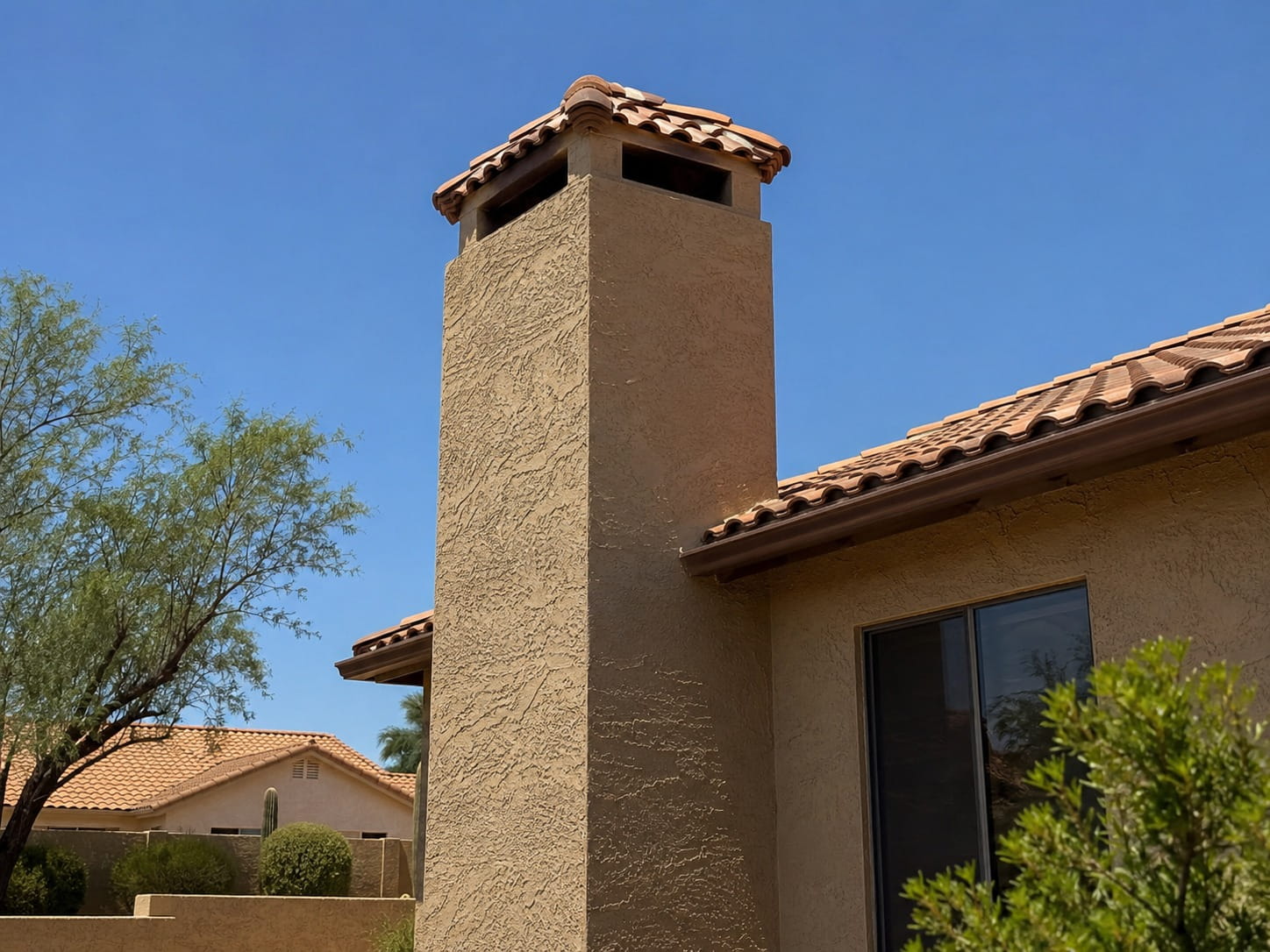
What to expect from a new chimney build in Tucson, from choosing materials to code requirements and how the installation process actually unfolds.
Chimney Installation Tucson: A Complete Homeowner's Guide
Whether you’re building a new fireplace, replacing a chimney that’s beyond repair, or adding one to a home that never had one, chimney installation Tucson projects involve more moving parts than most homeowners expect. A chimney isn’t just a decorative stack of brick; it’s a structural and functional system that has to draft correctly, meet code, and hold up to decades of heat cycling and Arizona weather. Here’s what the process actually looks like.
When You Need a New Chimney vs. a Repair
Not every chimney problem calls for full replacement. Cracked mortar joints, a damaged cap, or minor structural settling can often be addressed through repair rather than starting over. But when a chimney has significant structural instability, has been improperly built from the start, or needs to be added where none existed before, new installation is the right path. We’ve written a full comparison of chimney installation versus chimney repair if you’re not sure which category your situation falls into, since the wrong choice can mean paying for a repair that doesn’t actually solve the underlying problem.
Chimney Types and Materials for Tucson Homes
Most residential chimneys in this area fall into two broad categories: masonry chimneys built from brick or block with a poured or precast liner, and factory-built metal chimneys designed for prefabricated fireplaces. Masonry chimneys tend to suit homes with a more traditional or Southwestern aesthetic and generally last longer with proper maintenance, while factory-built systems are lighter, often less expensive to install, and work well when a home’s existing structure can’t easily support the weight of full masonry.
Within masonry chimneys, brick remains the most common choice for its durability and classic appearance, though block construction finished with stucco is common on newer builds to match a home’s existing exterior. Whatever material you choose, the flue liner is arguably the most important component, since it protects the surrounding masonry from heat and combustion byproducts and directly affects how well the chimney drafts.
The Installation Process Step by Step
A proper chimney installation starts with a site assessment to determine the best location, height, and flue size relative to the fireplace or appliance it will serve. Correct flue sizing is critical; too small and the chimney won’t draft properly, causing smoke to back up into the room, while an oversized flue can cause creosote buildup and inefficient burning.
Once the design is finalized, the footing and foundation for the chimney are prepared, since a structure this heavy needs stable support, especially given Tucson’s caliche soil. From there, the mason builds the chimney course by course, installing the flue liner as the structure rises, and finishing with a properly sized cap and spark arrestor at the top. The cap does double duty, keeping rain and debris out while stopping embers from escaping.
Throughout the build, height relative to the roofline and any nearby structures matters for both draft performance and code compliance. A chimney built too short relative to the roof peak often won’t draft correctly regardless of how well everything else is built.
Common Mistakes That Shorten a Chimney’s Life
A handful of mistakes account for most premature chimney failures we’re called out to assess. Undersized flues are one of the most common, usually the result of a contractor matching the chimney to the opening rather than properly calculating the flue size the appliance actually requires. Poor footing preparation is another, particularly relevant in Tucson given how caliche soil behaves under a structure this heavy; skipping proper excavation and compaction here often shows up years later as cracking or slight leaning.
Inadequate flashing where the chimney meets the roofline is a quieter but equally damaging mistake, since it allows water to work its way into the structure from a point that’s difficult to inspect without climbing onto the roof. And using a one-size-fits-all mortar mix rather than one suited to the specific brick or block being used sets up the same slow-motion joint failure we see in poorly executed repair work. Avoiding these mistakes comes down to hiring a contractor who treats each of these steps as essential rather than optional.
Building Codes and Safety Requirements
Chimney construction in Tucson has to meet local building codes covering everything from minimum height above the roofline to required clearances from combustible materials and proper flashing where the chimney meets the roof. These requirements exist because a poorly built chimney is a genuine fire and carbon monoxide risk, not just a cosmetic concern. Permitting is typically required for new chimney construction, and a licensed, locally experienced contractor will handle that process and ensure the finished structure passes inspection.
What to Expect During Construction
Once permitting is in place, expect the visible work to move in stages rather than continuously. Footing excavation and cure time happen first, often with a short pause before the mason begins laying brick or block. The chimney itself typically rises fastest during the main construction phase, but the final details, cap installation, flashing, and finish work around the roofline, take a disproportionate amount of care relative to how quick they look from the ground. A crew rushing through this final stage is one of the more common ways corners get cut on an otherwise solid build.
Pairing a New Chimney with a Fireplace
If you’re installing a chimney as part of a new fireplace rather than a standalone project, it’s worth planning both elements together from the start. Flue size, firebox dimensions, and chimney height all need to work as a system, and our fireplace installation team typically coordinates chimney and firebox construction together for exactly this reason. Trying to retrofit a chimney to an existing firebox, or vice versa, often leads to compromises that affect performance.
Maintenance After Installation
A newly built chimney still needs periodic attention. Mortar joints should be inspected every few years for early signs of cracking, and any deterioration should be addressed with brick repointing before water intrusion causes deeper damage. The cap and spark arrestor should be checked periodically for debris or damage, especially after monsoon season, when wind-blown debris and heavy rain can affect the very top of the structure.
How Long a New Chimney Actually Lasts
A well-built masonry chimney, properly maintained, can last well beyond fifty years in Tucson’s climate, though the exact lifespan depends heavily on construction quality and how consistently it’s maintained. We’ve covered this topic in more depth in our guide on how long a new chimney lasts, including the specific factors that shorten or extend that timeline.
Working With a Team That Knows Tucson Conditions
Chimney installation is one of those projects where experience really shows in the details: flue sizing, footing depth, mortar selection, and how the structure is flashed against the roof. Read more about our team and the kind of masonry work we’ve built our reputation on across Tucson. If you’re planning a new chimney or want a professional opinion on whether repair or replacement makes sense for your situation, get a free estimate and we’ll walk you through your options in person.
Ready to Build Something Lasting?
Tell us about brickwork, pavers, foundations, fireplaces, chimneys, stucco, or masonry repairs in Tucson.