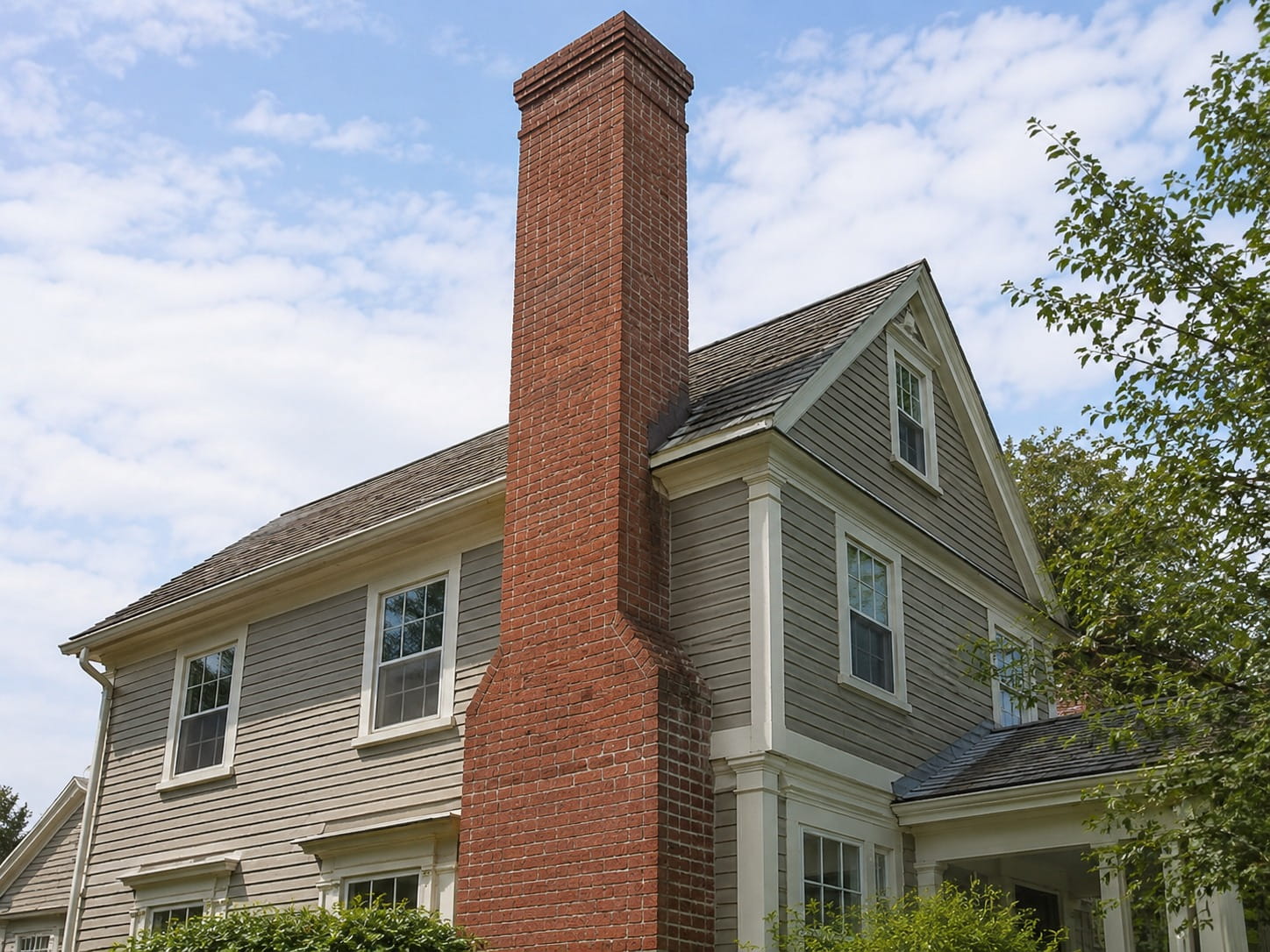
What determines how long a masonry chimney lasts in Tucson's climate, and the maintenance habits that add years to its lifespan.
Chimney Installation Tucson: How Long Does a New Chimney Last?
If you’re investing in a new chimney installation Tucson project, it’s a fair question to ask how many years you can realistically expect from it. The answer depends on more than just the calendar; construction quality, materials, and how consistently the chimney is maintained all play a bigger role than age alone.
Average Lifespan of a Masonry Chimney
A well-built masonry chimney, properly maintained, commonly lasts fifty years or more, and many last considerably longer than that. This is one of the reasons masonry remains a preferred material for chimney construction despite costing more upfront than some factory-built alternatives: it’s simply built to outlast most other components of the home when done correctly. That said, “properly maintained” is doing a lot of work in that sentence, and a neglected chimney can develop serious problems in a fraction of that time.
Factors That Extend or Shorten Chimney Life
Construction quality is the single biggest factor. A chimney built with appropriate mortar mix, correctly sized flue, proper footing, and skilled bricklaying will simply outlast one built quickly or with shortcuts, regardless of how well either is maintained afterward. This is why choosing an experienced chimney installation team matters more for long-term value than choosing the lowest bid.
Climate exposure matters too. Tucson’s chimneys face intense summer heat, significant daily temperature swings, and periodic heavy monsoon rain, all of which stress mortar joints over time. Chimneys with proper caps and flashing are much better protected against water intrusion, which is the leading cause of premature masonry deterioration in this climate.
Usage patterns play a role as well. A chimney used regularly for wood-burning fires experiences more direct heat and combustion byproduct exposure than one used occasionally or attached to a gas appliance, though either can last a long time with appropriate maintenance and periodic cleaning.
Signs of Aging vs. Signs of Failure
Normal aging looks like gradual, cosmetic mortar wear that shows up incrementally over many years and is addressed through routine maintenance. Failure looks different: structural leaning, widespread brick deterioration, or a flue that’s cracked and no longer safely containing combustion byproducts. If you’re trying to figure out which category your chimney falls into, our guide comparing chimney repair versus full installation breaks down the specific signs that separate normal wear from a structural problem that needs more than a patch.
What a Professional Inspection Actually Checks
A meaningful chimney inspection covers more ground than most homeowners expect. It typically includes the condition of exterior mortar joints from base to cap, the chimney’s vertical alignment relative to the roofline, the condition of the cap and spark arrestor, visible signs of water staining or efflorescence, and where accessible, the interior condition of the flue itself. Some of these checks require getting on the roof, which is part of why a thorough inspection is worth paying for rather than trying to eyeball from the ground.
How often you need this depends on usage and exposure. A chimney that sees regular use, or one that’s gone through a particularly intense monsoon season, benefits from a check sooner rather than waiting for a fixed multi-year interval. Think of it less as a rigid schedule and more as paying attention after any event, weather or otherwise, that could plausibly have stressed the structure.
Maintenance That Adds Real Years to Your Chimney
Regular inspection is the single most valuable habit for extending chimney lifespan. Catching small mortar cracks or a worn cap before they lead to water intrusion is far cheaper and easier than addressing the compounding damage that follows months or years of unnoticed moisture penetration. Most chimneys benefit from a professional inspection every few years, or after any particularly intense monsoon season, to catch issues before they escalate.
When mortar deterioration is caught early, brick repointing restores the protective seal of the joints and effectively resets the clock on that portion of the chimney’s lifespan. This single maintenance step, done proactively rather than reactively, is responsible for more added chimney longevity than almost anything else a homeowner can do.
Keeping the cap and spark arrestor in good condition matters too, since these components are your chimney’s first line of defense against rain and debris entering the flue. A damaged or missing cap allows water to pool inside the chimney structure, accelerating deterioration from the inside out, often before any exterior signs become visible.
Comparing Masonry Chimneys to Factory-Built Alternatives
It’s worth noting that factory-built metal chimney systems, common with many prefabricated fireplaces, generally carry shorter expected lifespans than masonry, often in the range of fifteen to twenty-five years before major components need replacement. That’s not a knock against factory-built systems, which serve a real purpose and cost less upfront, but it does mean the fifty-plus-year expectations in this guide apply specifically to properly built masonry chimneys, not every chimney type on the market. If you’re deciding between the two for a new build, that lifespan difference is worth weighing against the upfront cost gap.
When Repointing Extends Life vs. When Replacement Is Needed
Repointing can extend a chimney’s usable life significantly when the underlying structure is still sound, essentially refreshing the protective mortar without touching the structural brick or flue beneath it. This works well repeatedly over a chimney’s lifetime, sometimes every couple of decades, as part of normal upkeep. It stops being effective once the underlying brick itself has deteriorated significantly or the flue liner has failed, at which point no amount of repointing will resolve the core issue, and replacement becomes the more sensible investment. Our complete homeowner’s guide to chimney installation covers what that replacement process actually involves if you reach that point.
Chimneys Paired With Fireplaces
If your chimney serves an outdoor or indoor fireplace, usage and maintenance are closely linked. Regular use with proper ventilation generally keeps a chimney healthier than one that sits unused for years and develops undetected issues simply because no one’s paying attention to it. If you use your fireplace regularly, build a habit of a quick visual check each season, looking at the cap, visible mortar joints, and any staining on the surrounding masonry.
Getting the Most From a New Chimney
If you’re installing a new chimney, the decisions you make at the outset, material quality, correct sizing, proper footing, and choosing an experienced local contractor, set the ceiling on how long it will ultimately last. After that, consistent, modest maintenance is what determines whether you reach that ceiling or fall well short of it.
If you’d like an assessment of your current chimney’s condition and expected remaining lifespan, or you’re planning a new installation and want it built to last as long as possible, contact us and we’ll give you a straightforward, experience-based answer.
Ready to Build Something Lasting?
Tell us about brickwork, pavers, foundations, fireplaces, chimneys, stucco, or masonry repairs in Tucson.