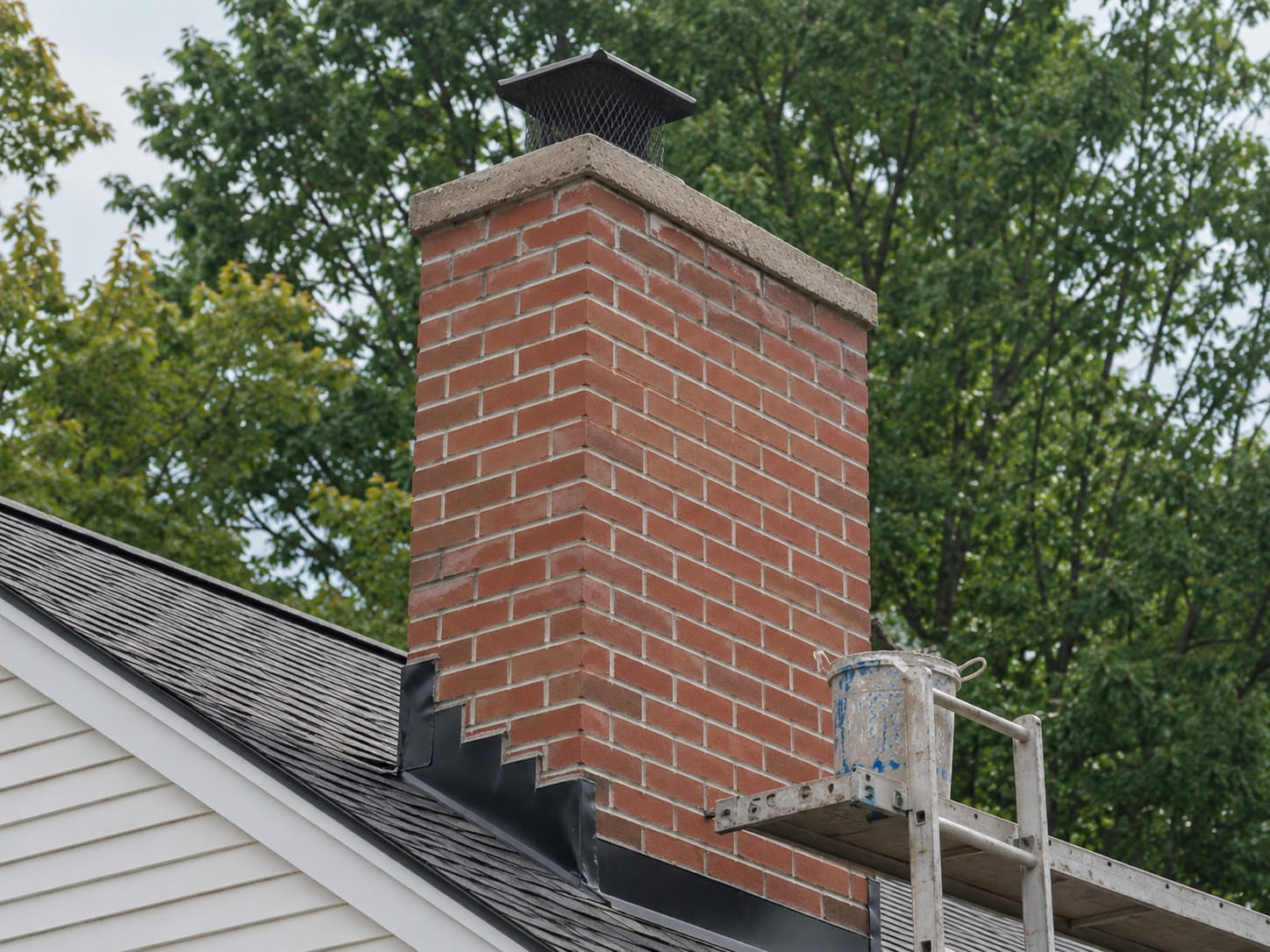
A clear breakdown of the signs that point to chimney repair versus full replacement, so you don't pay for the wrong service.
Chimney Installation Tucson vs Chimney Repair: Which Service Do You Need?
When a chimney starts showing problems, the first question is almost never “how much will this cost” — it’s “does this need to be fixed or replaced?” That distinction matters more than most homeowners realize, because chimney installation Tucson and chimney repair are genuinely different services with different price points, timelines, and outcomes. Getting the wrong one means either overpaying for a full rebuild you didn’t need, or paying for a repair that won’t actually solve the underlying problem.
How to Tell the Difference Between Repair and Replacement Needs
The core question is whether the chimney’s structure is fundamentally sound. A chimney with surface-level mortar deterioration, a damaged cap, or minor cosmetic cracking is usually a good repair candidate. A chimney with significant structural leaning, widespread crumbling brick, an undersized or damaged flue that was never built correctly, or foundation-level instability is often better addressed through full chimney installation rather than repeated patchwork repairs.
Age plays a role too, but it’s not the only factor. A forty-year-old chimney that’s been well maintained can still be a great repair candidate, while a fifteen-year-old chimney built with poor materials or bad technique might already need full replacement. This is exactly why a professional assessment matters more than guessing based on age alone.
Signs That Point to Repair
If you’re seeing isolated cracking in mortar joints, a chimney that still stands straight and true, minor water staining that hasn’t led to structural softening, or a cap that’s simply worn out or missing, you’re likely looking at a repair situation. These issues are common, catchable early, and generally addressed through brick repointing, which removes deteriorated mortar and replaces it with fresh material matched to the original joints.
For chimneys with more decorative brickwork or a historic look worth preserving, tuck pointing offers a similar structural fix with a finer, more refined finish. Both approaches are significantly less invasive and less expensive than full chimney replacement, and catching mortar issues early is the single best way to avoid needing a rebuild down the road.
Signs That Point to Full Installation or Replacement
Visible leaning or separation from the roofline, bricks that are loose or falling away from the structure rather than just the mortar between them, a flue that was undersized or damaged beyond repair, or a chimney that’s failed a safety inspection outright are all signals that repair isn’t going to be enough. In these cases, continuing to patch a fundamentally compromised structure is both a safety risk and, over time, more expensive than starting fresh with a properly engineered chimney.
Chimneys that were never built to code, sometimes found on older or owner-built additions, also generally need to be replaced rather than repaired, since the underlying flue sizing or clearance issues can’t be fixed without rebuilding.
Cost Comparison Between Repair and Replacement
Repair work, particularly repointing and tuck pointing, is priced by the extent of deteriorated mortar and generally represents a modest fraction of what full replacement costs. New chimney installation involves demolition of the old structure (if applicable), new footings, full masonry construction, a new flue liner, and finishing work, all of which adds up to a considerably larger investment. That said, comparing the two purely on upfront cost misses the point if your chimney genuinely needs replacement; a repair that doesn’t hold, because the underlying structure was never sound, ends up costing more in the long run once you factor in the wasted repair cost plus the eventual replacement anyway.
What a Professional Inspection Actually Involves
A thorough chimney assessment goes beyond a quick visual glance from the ground. It should include a close look at mortar joint condition at multiple heights, a check of the chimney’s vertical alignment against the roofline, an inspection of the cap and spark arrestor, and where possible, an evaluation of the flue’s condition and sizing relative to the appliance it serves. Some of this requires getting on the roof or using a camera to inspect the flue interior, which is part of why a DIY assessment from the yard rarely tells the whole story.
This is also where experience really separates one contractor from another. Two masons can look at the same chimney and reach different conclusions if one is only checking surface appearance while the other is evaluating structural indicators that predict how the chimney will perform over the next decade, not just how it looks today.
Getting a Second Opinion
If a contractor tells you replacement is the only option, it’s reasonable to get a second opinion, especially for a project of this size. A brief, honest second assessment costs little relative to the difference between a repair and a full rebuild, and a reputable contractor won’t discourage you from seeking one. Be wary of anyone who pressures you to decide on the spot or discourages you from getting another perspective; confidence in a recommendation should hold up to outside scrutiny.
What Happens If You Choose Wrong
Choosing repair when replacement was actually needed usually means the same problems resurface within a year or two, sometimes worse than before, since the underlying structural issue was never addressed. Choosing full replacement when a repair would have sufficed means spending significantly more than necessary. This is precisely why an honest, experienced assessment matters: a contractor who suggests repair when repair will genuinely work saves you money, and one who correctly identifies when replacement is unavoidable saves you from throwing money at a doomed patch job.
How Long a New Chimney Lasts, If You Do Replace It
If your assessment does point toward full replacement, it helps to know what you’re getting for that investment. We’ve covered the expected lifespan of a properly built chimney, and the factors that affect it, in our guide on how long a new chimney lasts. For a broader look at the entire installation process from start to finish, our complete homeowner’s guide to chimney installation walks through materials, code requirements, and what to expect.
How We Help You Decide
We start every chimney call with an honest, in-person assessment, not a sales pitch toward the more expensive option. We’ll look at the mortar condition, structural alignment, flue condition, and overall age and construction quality, then give you a clear recommendation along with the reasoning behind it. If repair is the right call, we’ll tell you that. If replacement is genuinely necessary, we’ll explain exactly why and what the process involves.
If you’re dealing with a chimney issue and aren’t sure which direction to go, contact us for a straightforward evaluation. We’d rather give you the right answer than the more profitable one.

Ready to Build Something Lasting?
Tell us about brickwork, pavers, foundations, fireplaces, chimneys, stucco, or masonry repairs in Tucson.