Commercial Concrete Contractors In Tucson
Commercial concrete carries loads that residential work never sees. Delivery trucks, forklifts, dumpster pads, and constant foot traffic all put sustained stress on a slab, and a thickness that would be fine behind a house fails quickly behind a building. We size every commercial pour around the actual use rather than a default spec.
Our crews handle building slabs, loading docks, approach aprons, trash enclosure pads, sidewalks, and parking flatwork across the region. Every project our Tucson concrete contractors take on starts with a subgrade evaluation, because expansive soils and caliche layers behave very differently from one lot to the next, and the ground under the slab decides how long the slab lasts.
We coordinate around business hours wherever the site allows, staging pours so access, parking, and deliveries keep moving. Reinforcement, joint layout, and thickness are documented before we place a single yard, so you know exactly what is going in the ground and why.
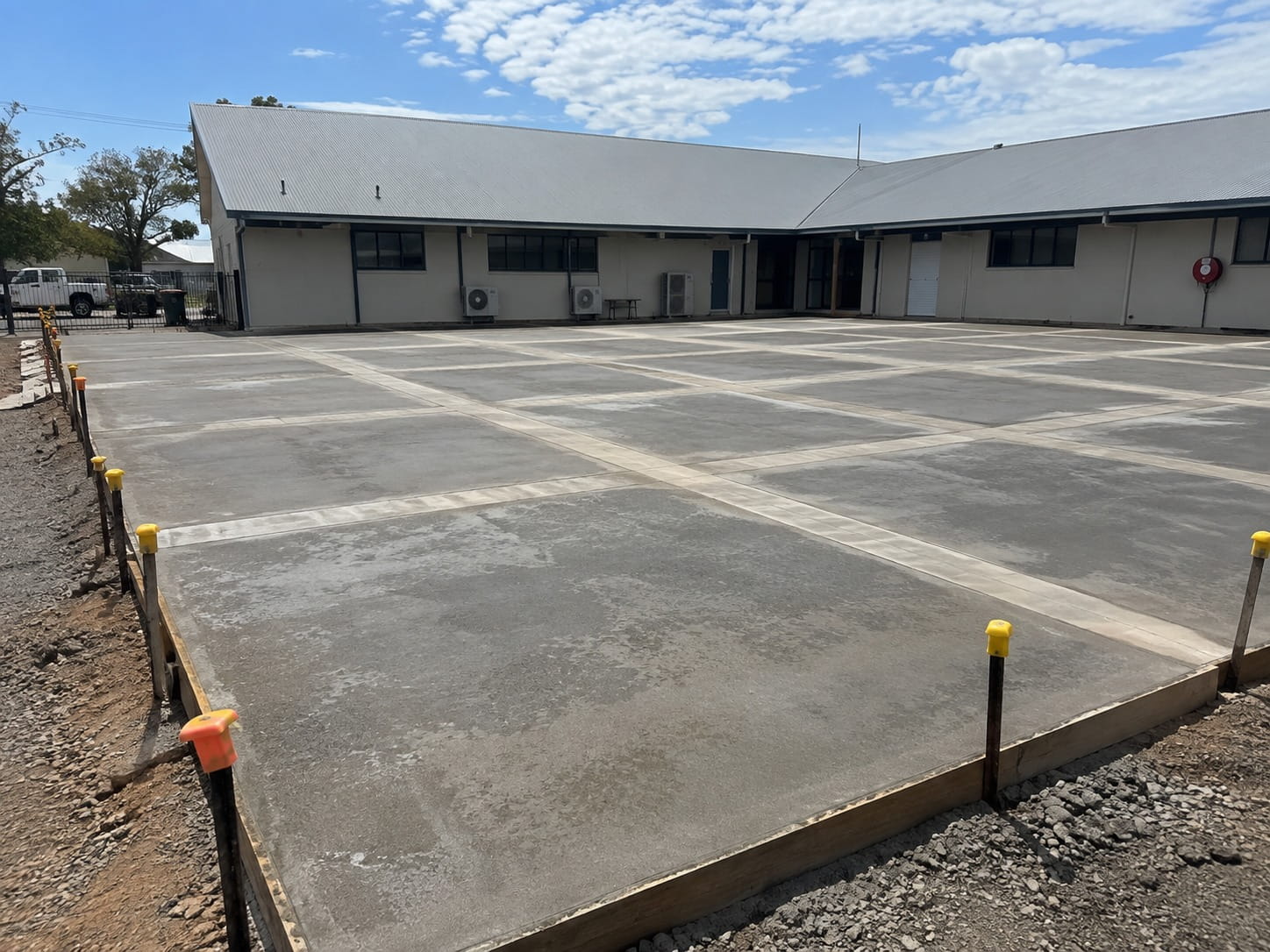
From a single equipment pad to a full parking area, the standard is the same: a compacted base, steel at the correct spacing, joints cut on a deliberate grid, and a cure that is managed rather than left to the weather.
Tell us about the site
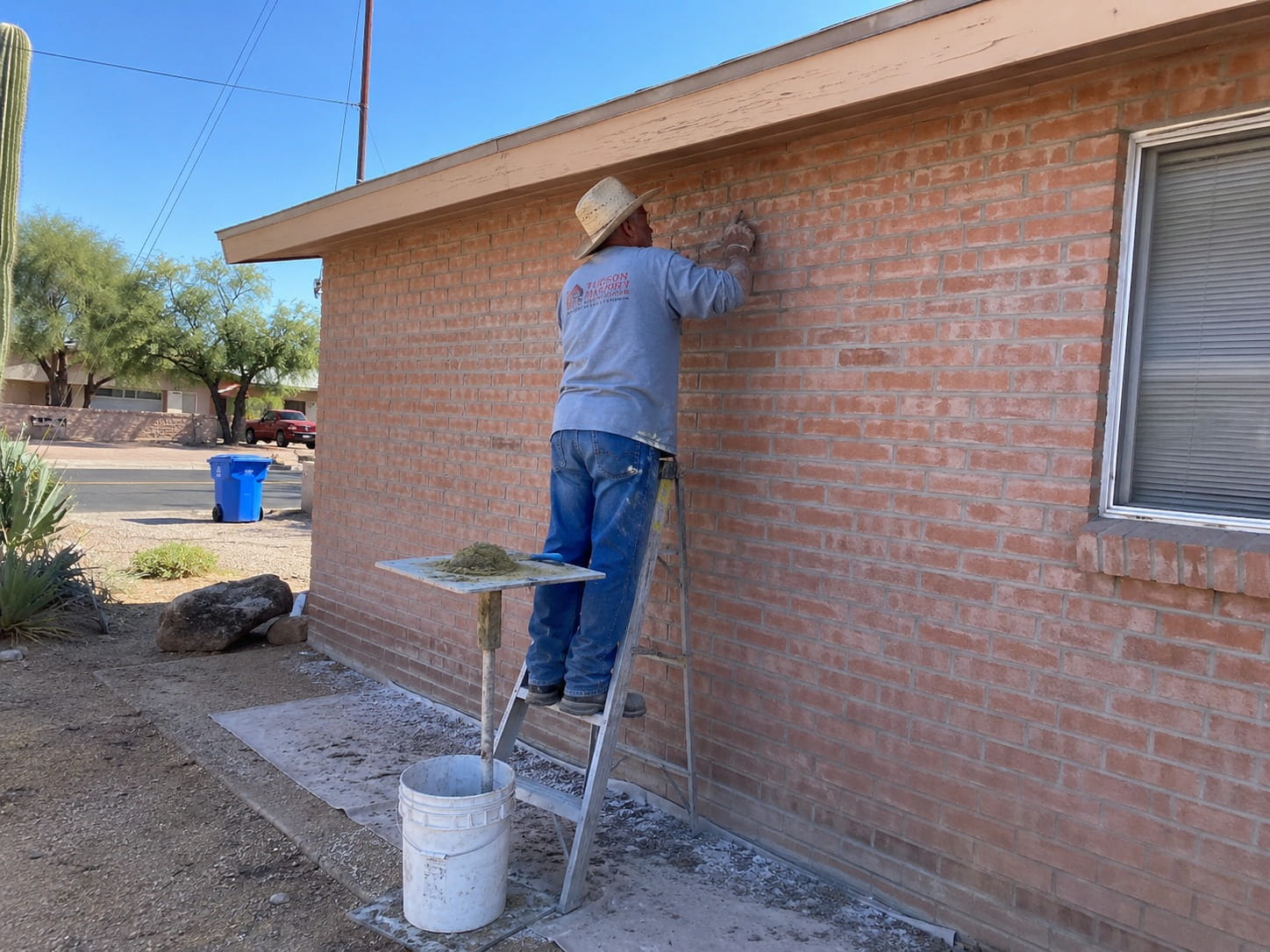
Why Businesses Choose Our Concrete Crews
Commercial slabs fail at the joints and the subgrade far more often than they fail in the middle of a panel, so that is where we spend the time.
Every pour gets a written scope covering thickness, reinforcement, control joint spacing, and finish, so there is no ambiguity later about what was installed.
Load-Rated Design
Thickness and reinforcement sized to the vehicles and equipment that will actually use the slab.
Planned Joint Layout
Control joints placed on a deliberate grid so cracking follows the plan instead of the traffic path.
Phased Scheduling
Pours staged around operating hours to keep access, parking, and deliveries functioning.
Documented Scope
Mix, thickness, and reinforcement recorded before placement so the finished work is verifiable.
Commercial Concrete: How We Work
Three clear steps keep the site organized, the scope understandable, and the finished masonry durable.
Site and Subgrade Review
We evaluate soil, drainage, and existing conditions, then specify compaction and base depth for the intended load.
Forming and Reinforcement
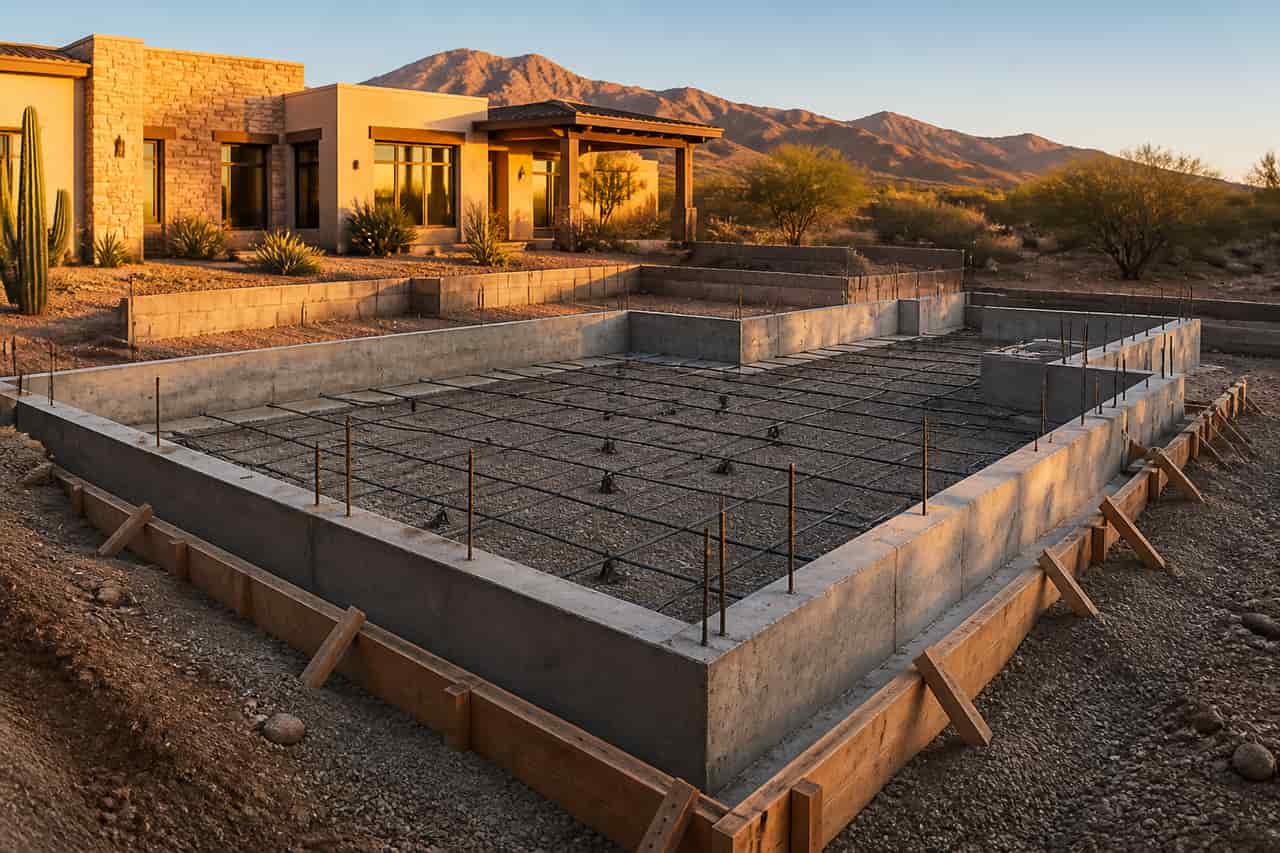
Forms are set to grade and rebar or mesh is placed and tied to the documented spacing.
Placement and Finish
Concrete is placed, screeded, and finished to the specified texture, then cut and cured on schedule.
Commercial Concrete Built For Tucson Conditions
Tucson masonry has to handle heat, dry air, monsoon moisture, and soil movement. We plan each detail so the finished work is attractive, stable, and practical for Arizona conditions.
The goal is a clean scope before construction starts: the right material, the right repair method, and a clear explanation of how the work will hold up over time.
- Climate-ready materials selected for Tucson heat and monsoon exposure
- Clear estimates before masonry, foundation, or stucco work begins
- Residential and commercial sites handled with tidy staging
- Finished work reviewed for strength, appearance, and durability
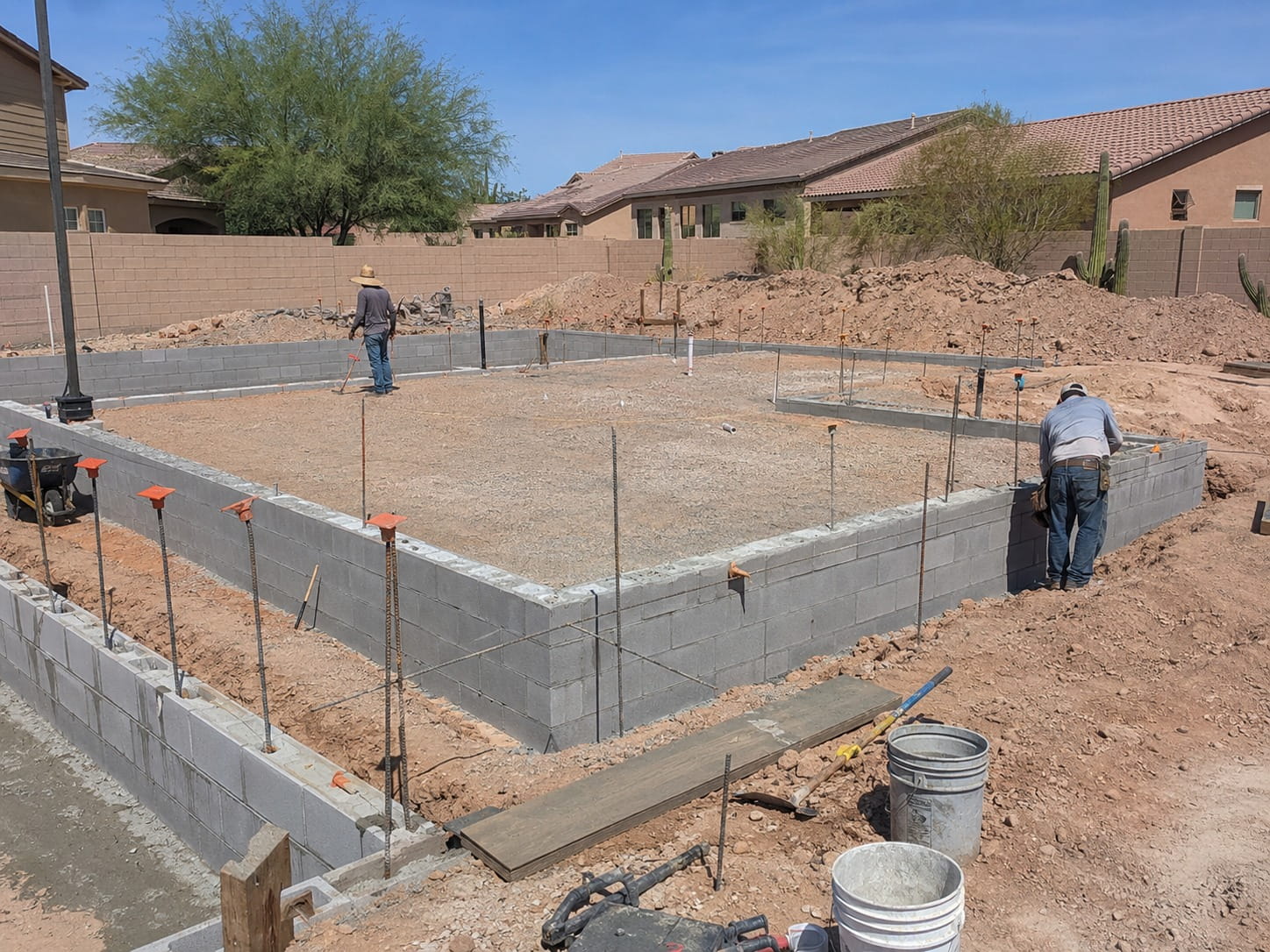
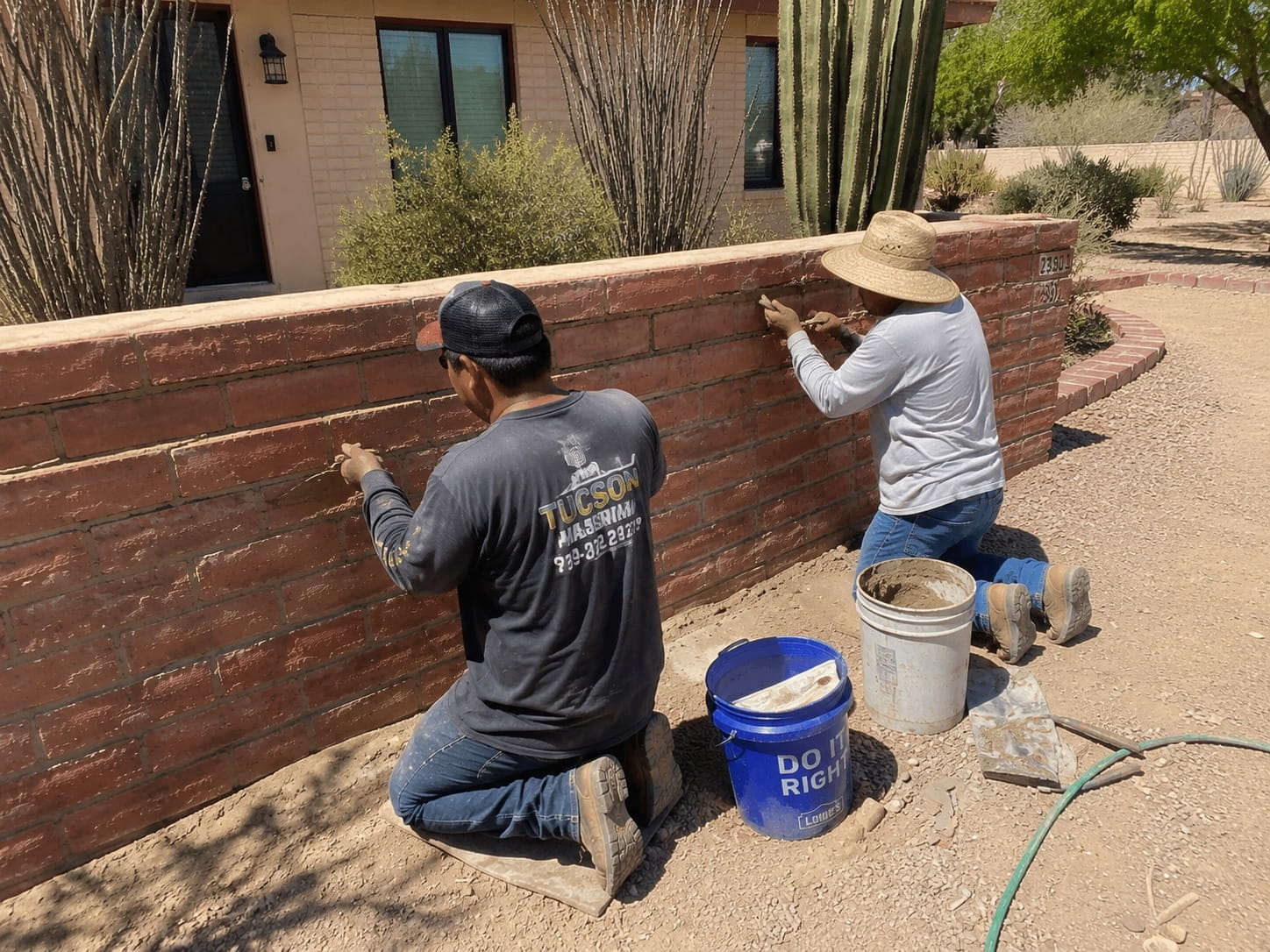
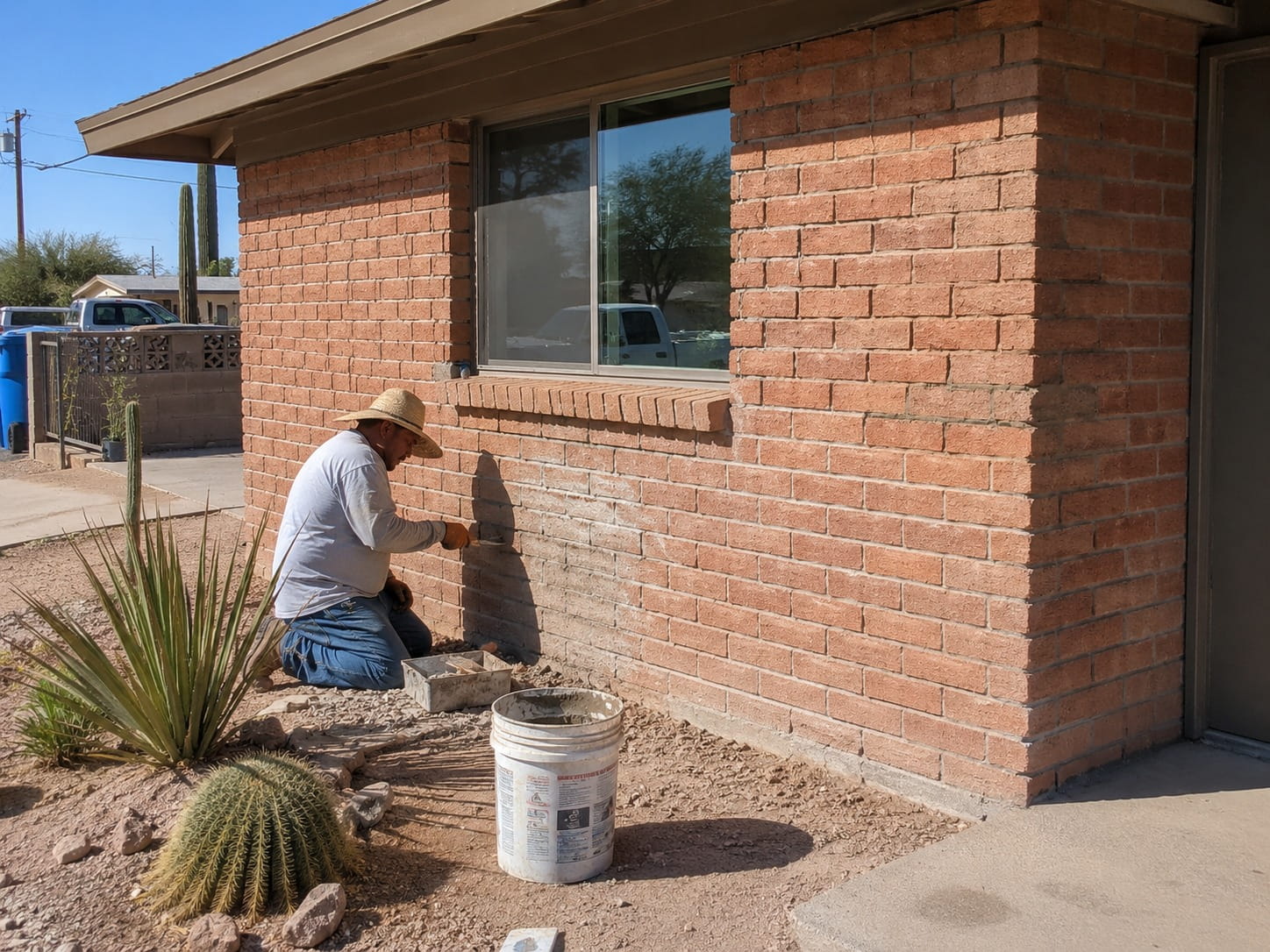
Commercial Concrete Tucson: Project Gallery
Visual examples of the material, finish, and site conditions that shape Tucson masonry work.
Get a Free Commercial Concrete Estimate
Photos, site address, access, visible damage, preferred finish, and timeline help us respond with a clearer scope.
Tell us about the site
Clear Answers Before Work Starts
Practical answers for timing, matching, process, cost, and long-term performance.
How thick should a commercial concrete slab be in Tucson?
It depends on use. Light foot traffic areas may work at four inches, while loading and truck areas commonly need six to eight inches over an engineered base. We size it to the equipment you actually run.
Can you pour concrete without closing our business?
Usually yes. We phase the work so only part of the site is out of service at a time, and we schedule around your busiest hours where the layout allows it.
How long before we can drive on new commercial concrete?
Light foot traffic is generally fine after a day or two. Vehicle and equipment loading waits closer to a full cure, which we confirm per pour based on mix and weather.
Do you handle permits and inspections?
We work to the applicable local requirements and coordinate inspections for work that calls for them. We will tell you up front what your project needs.
What causes commercial slabs to crack early?
Most early cracking traces back to poor subgrade compaction, missing or badly spaced control joints, or a pour placed in extreme heat without proper curing. All three are avoidable.
Plan Commercial Concrete Tucson With A Local Tucson Mason
Send the site address, project notes, photos if available, and your timeline. We will help you understand the right next step before work begins.