Concrete Slab Contractors In Tucson
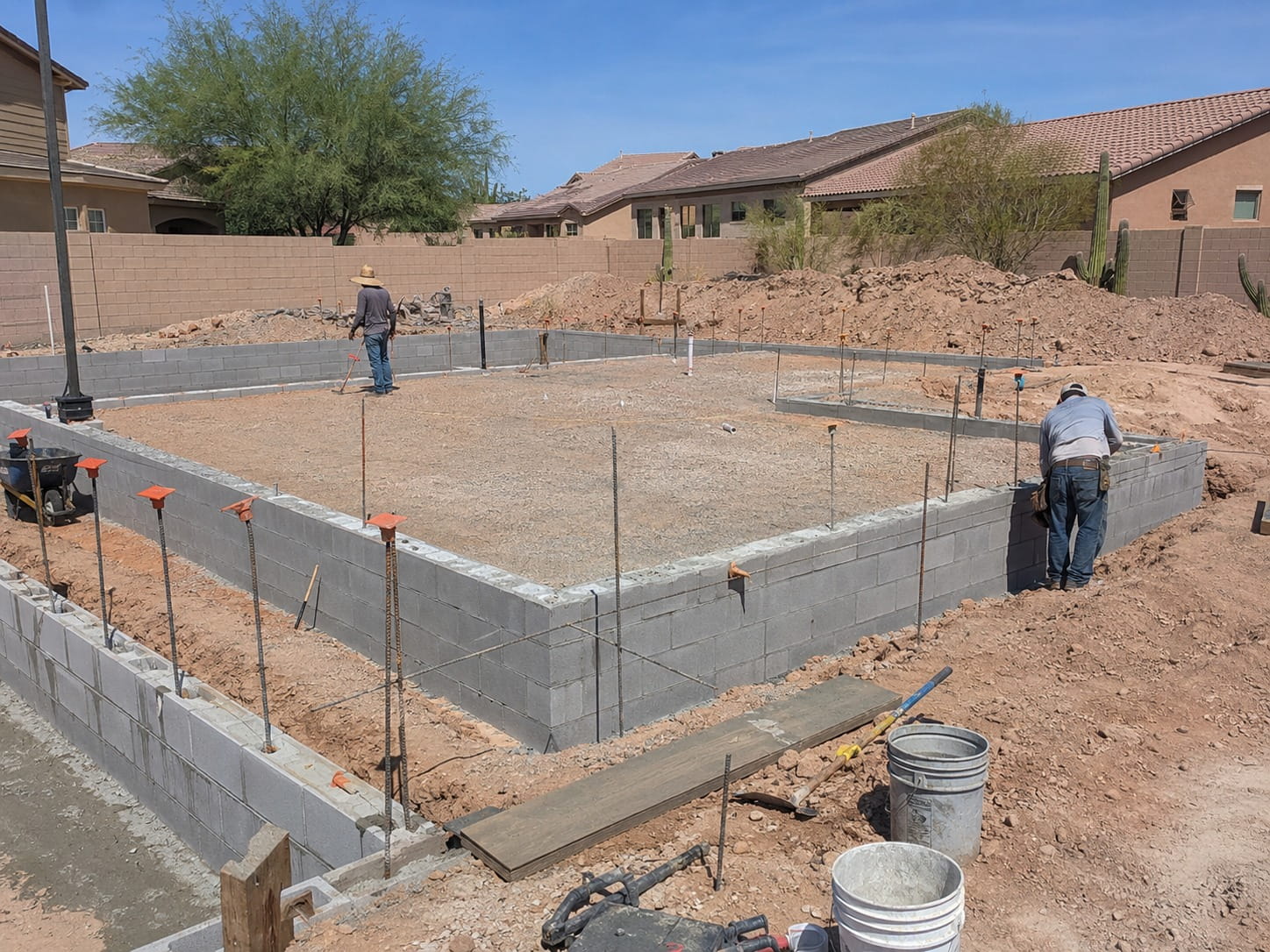
A concrete slab is a simple thing to pour and an easy thing to pour badly. The visible part is a few inches of concrete, but the performance comes almost entirely from what sits underneath it: excavation to the right depth, unsuitable material removed, and an aggregate base compacted in lifts rather than dumped and levelled.
We pour slabs for buildings, workshops, storage structures, equipment, generators, air conditioning units, hot tubs, and general flatwork. Our Tucson concrete contractors size thickness and reinforcement to the load, whether that is foot traffic or a piece of machinery that concentrates weight on four small feet.
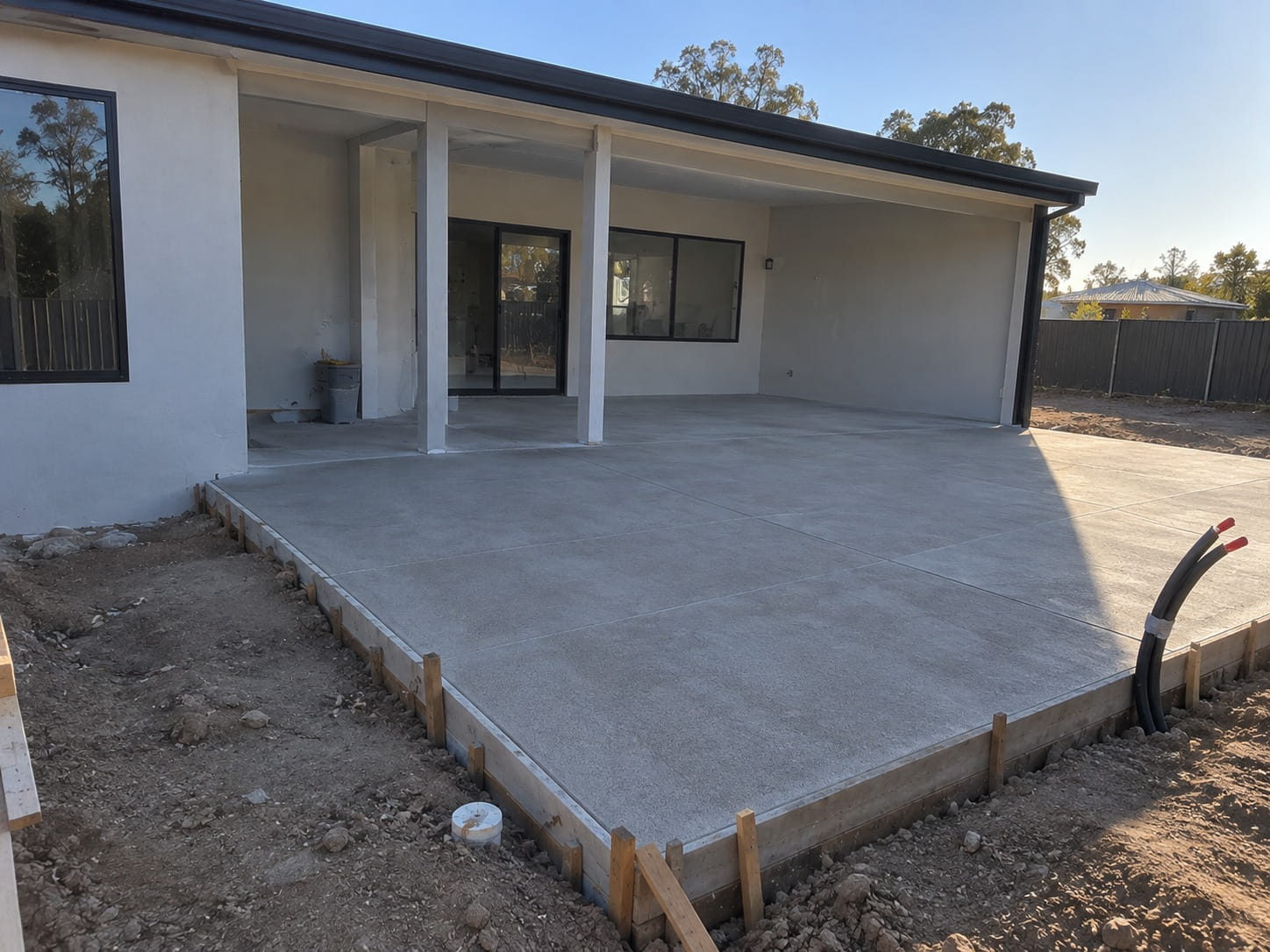
Vapor barriers, thickened edges, dowelling into existing slabs, and embedded conduit or anchors are all handled where the job calls for them. Control joints are cut on a planned grid at the right time, which is the single most effective way to keep shrinkage cracking tidy.
You will know the thickness, the steel spacing, and the joint layout before we start, and we will explain why each of those numbers is what it is.
Tell us about the site
Why A Slab Is Only As Good As Its Base
Most slab failures we are called to repair trace back to the base, not the concrete. Compaction is the least visible part of the job and the most important.
Cutting control joints on time matters as much as cutting them in the right places. Late cuts let the slab decide where it wants to crack.
Engineered Base
Excavated, filled, and compacted in lifts so the slab is uniformly supported.
Load-Sized Thickness
Thickness and reinforcement matched to the equipment or traffic the slab will carry.
Timely Joint Cutting
Control joints cut on schedule so shrinkage follows the lines rather than the open field.
Embeds Handled
Conduit, anchors, sleeves, and thickened edges placed before the pour, not chased afterward.
Concrete Slabs: How We Work
Three clear steps keep the site organized, the scope understandable, and the finished masonry durable.
Excavate and Compact
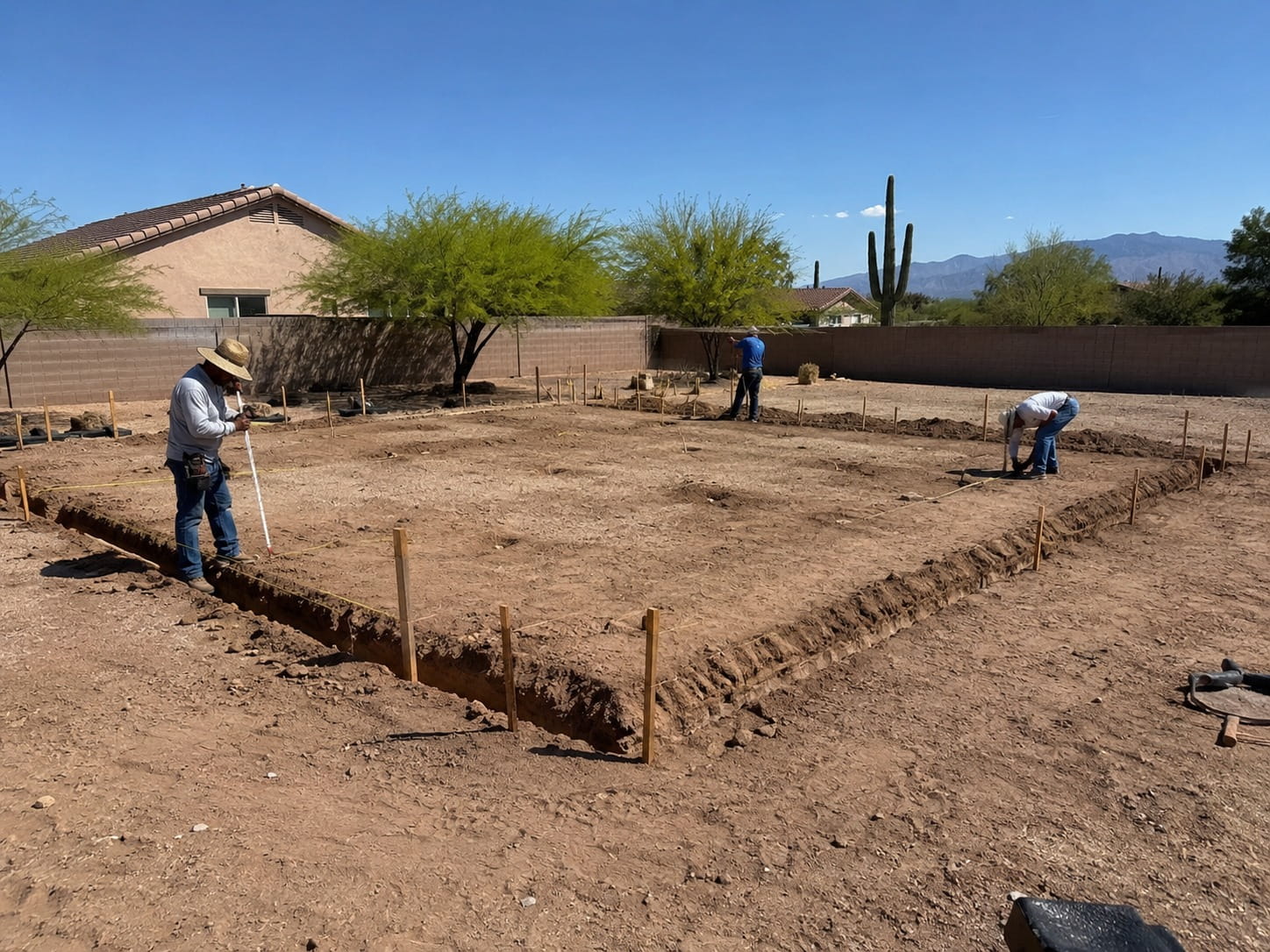
The area is cut to depth, poor material removed, and aggregate base placed and compacted in lifts.
Form, Reinforce, Embed
Forms are set to grade, steel is tied to spacing, and any conduit or anchors are positioned.
Place, Finish, Cut
Concrete is placed and finished to the specified texture, then joints are cut and the slab is cured.
Concrete Slabs Built For Tucson Conditions
Tucson masonry has to handle heat, dry air, monsoon moisture, and soil movement. We plan each detail so the finished work is attractive, stable, and practical for Arizona conditions.
The goal is a clean scope before construction starts: the right material, the right repair method, and a clear explanation of how the work will hold up over time.
- Climate-ready materials selected for Tucson heat and monsoon exposure
- Clear estimates before masonry, foundation, or stucco work begins
- Residential and commercial sites handled with tidy staging
- Finished work reviewed for strength, appearance, and durability
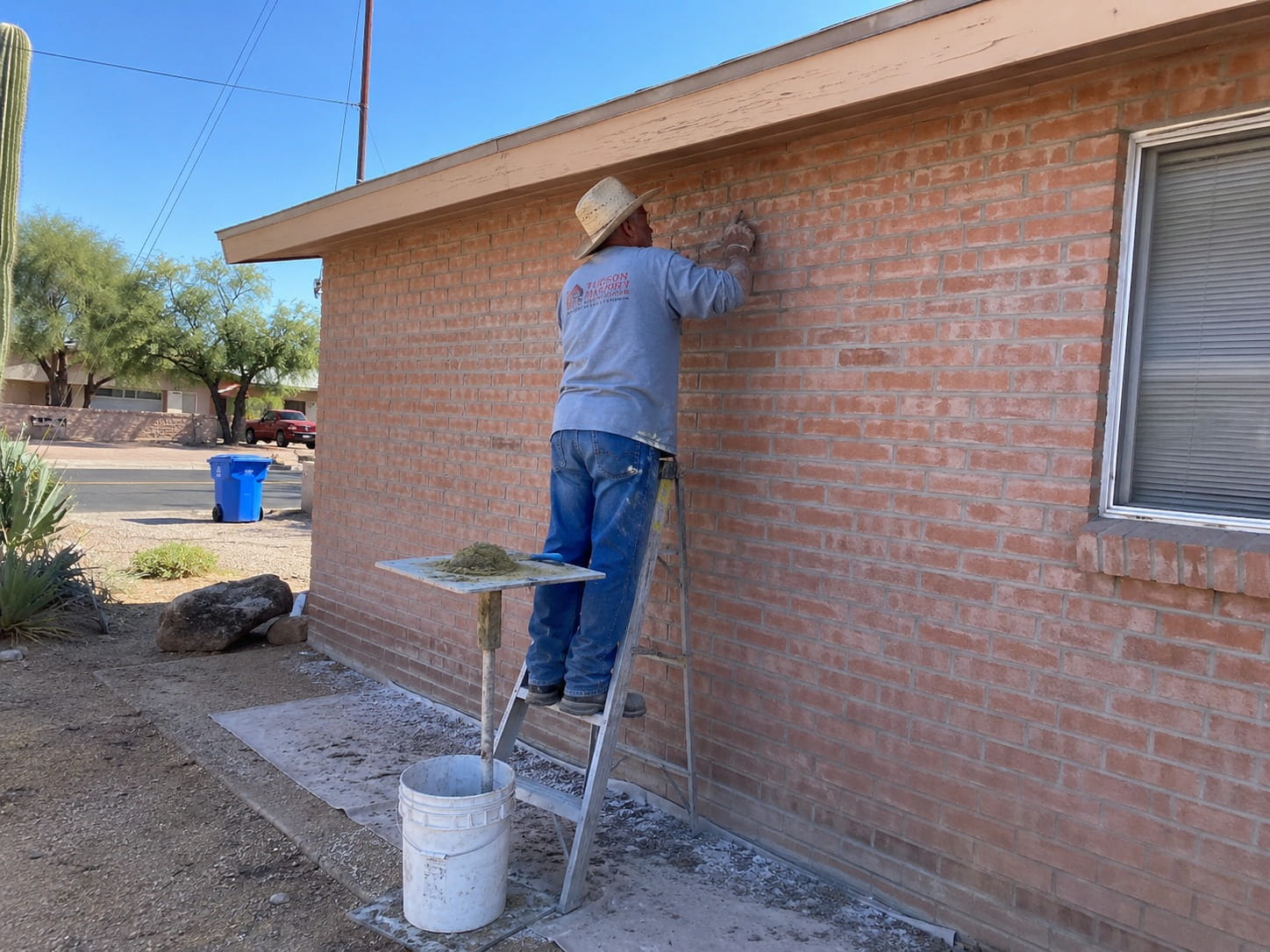
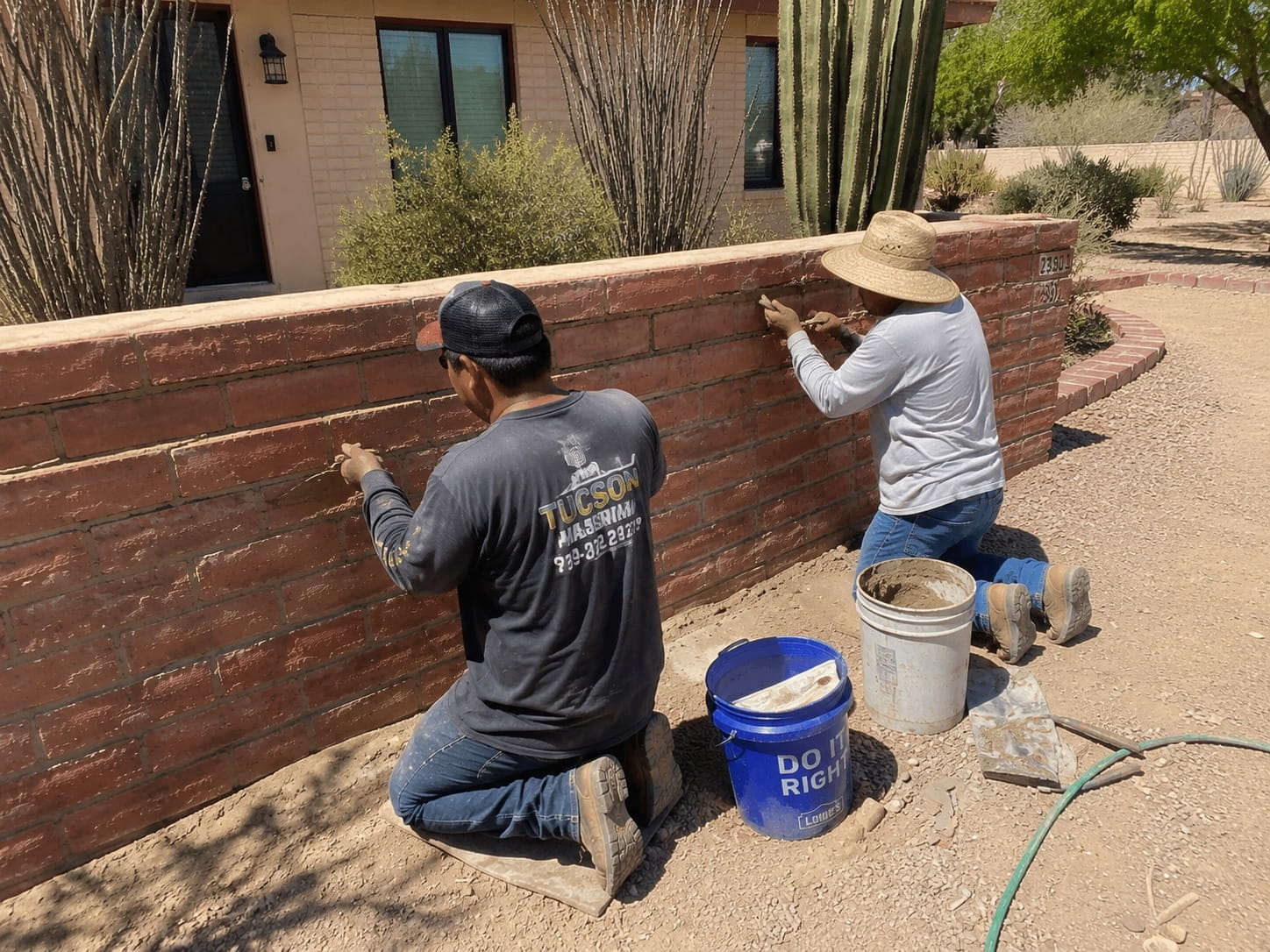
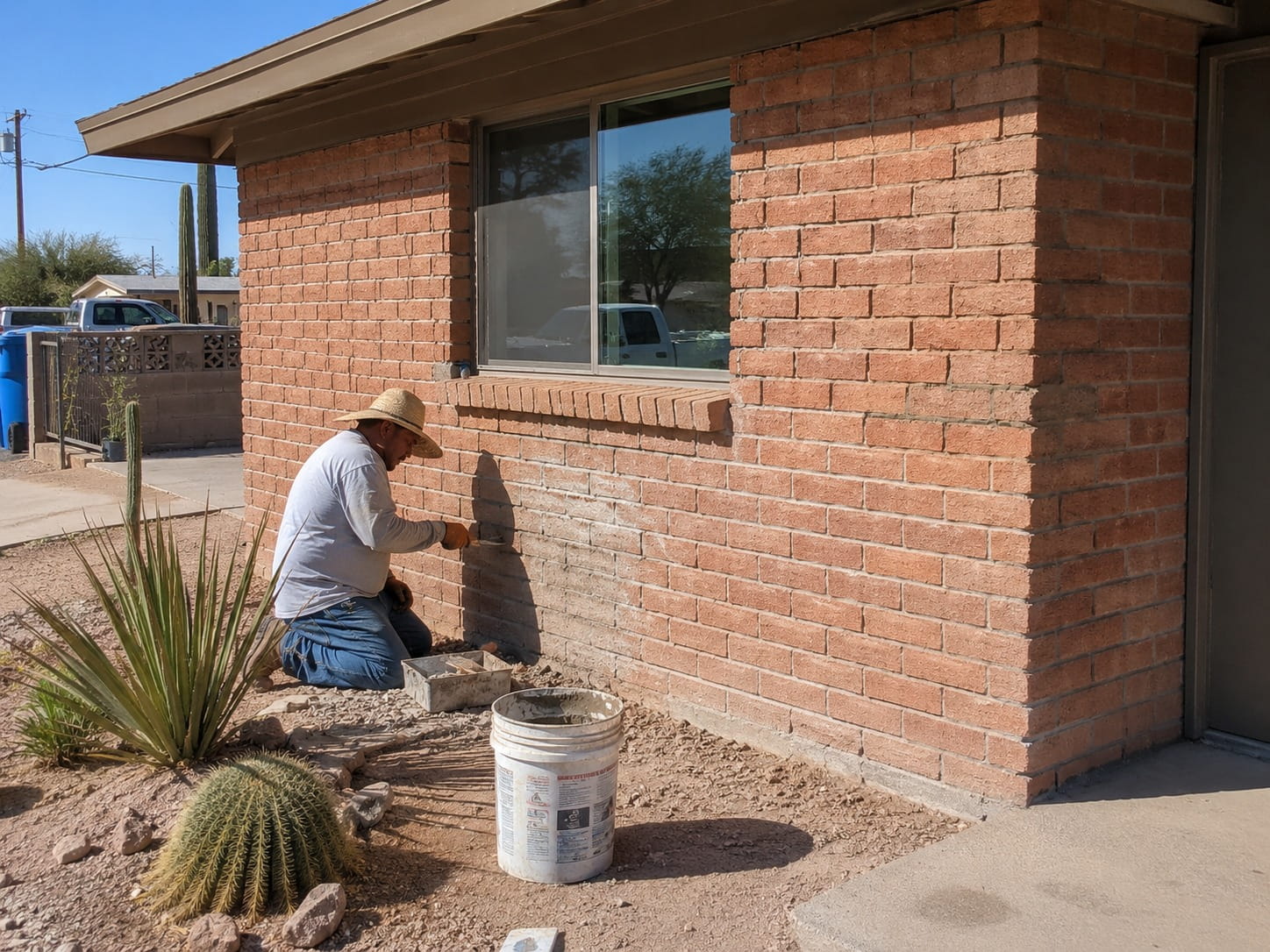
Concrete Slabs Tucson: Project Gallery
Visual examples of the material, finish, and site conditions that shape Tucson masonry work.
Get a Free Concrete Slabs Estimate
Photos, site address, access, visible damage, preferred finish, and timeline help us respond with a clearer scope.
Tell us about the site
Clear Answers Before Work Starts
Practical answers for timing, matching, process, cost, and long-term performance.
How thick should a concrete slab be?
Four inches covers most general flatwork and light storage. Vehicles, machinery, and concentrated point loads call for more thickness and heavier reinforcement, which we size to the actual use.
Do I need rebar or is wire mesh enough?
Mesh helps hold shrinkage cracks tight in light-duty slabs. Rebar is the right choice where loads are significant or the slab needs to span soft spots. We specify based on the load.
What is a vapor barrier and do I need one?
It is a sheet under the slab that blocks moisture rising from the soil. Any slab that will be enclosed, finished, or have flooring installed over it should have one.
Can you pour a slab next to my existing one?
Yes. We typically dowel into the existing slab so the two move together at the joint rather than stepping apart over time.
How soon can I use a new slab?
Light foot traffic after a day or so, and full loading closer to a full cure. We give you a specific schedule for your pour.
Plan Concrete Slabs Tucson With A Local Tucson Mason
Send the site address, project notes, photos if available, and your timeline. We will help you understand the right next step before work begins.