Retaining Wall Excavation Contractors In Tucson
Excavating for a retaining wall means creating a temporary slope that has to stand up on its own long enough for the wall to be built in front of it. That temporary cut is the part that gets underestimated. A face cut too steeply in the wrong material can fail while people are working at the bottom of it.
We excavate footing trenches, cut back slopes to a safe batter, create working room behind the wall line, and prepare the drainage zone. Our Tucson wall and excavation crews sequence the dig so the wall can be built and backfilled without leaving a face open longer than it should be.
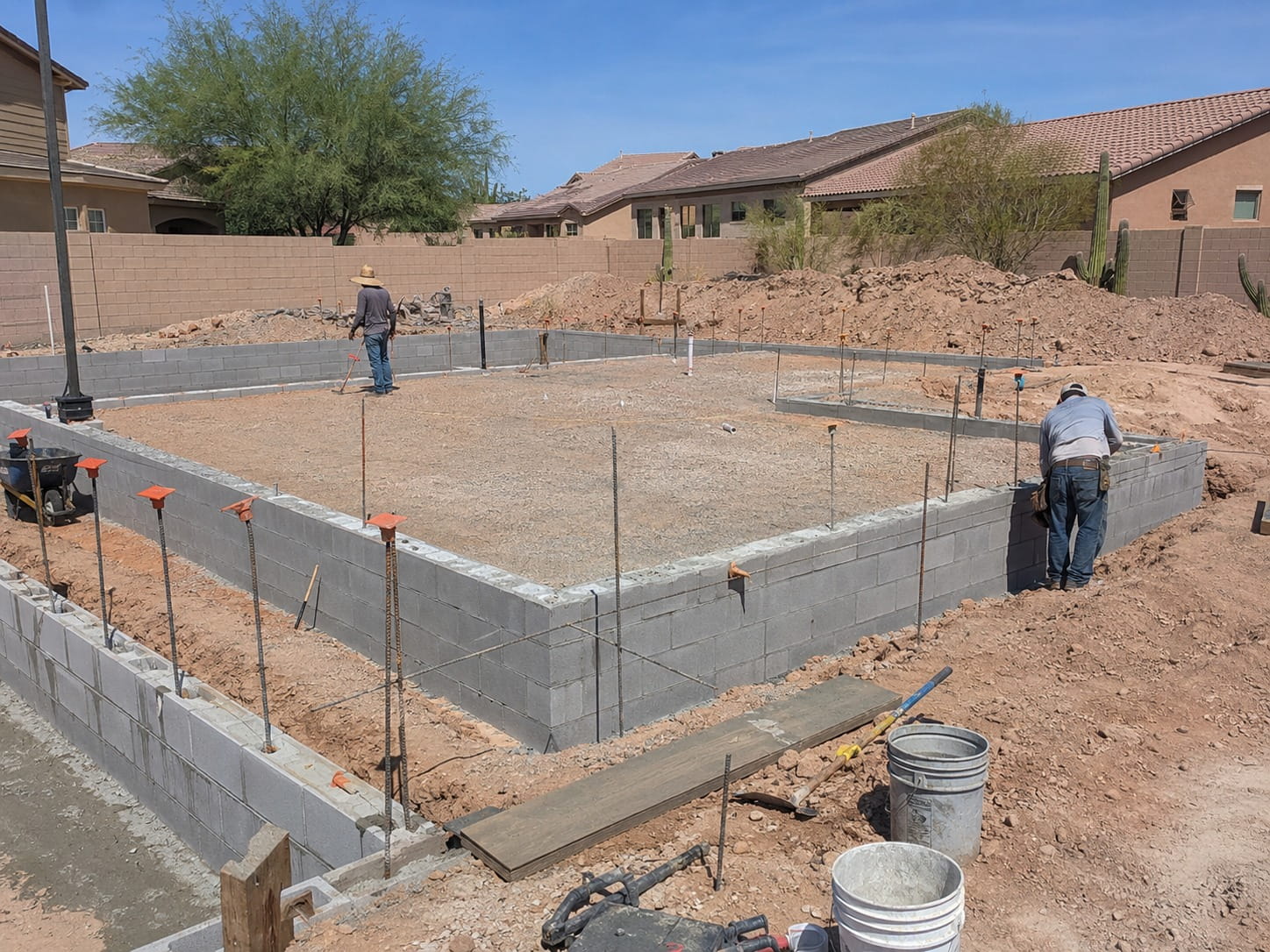
The footing trench is the structural part. It has to reach competent bearing material, be the specified width, and sit at the correct depth relative to the finished grade in front of the wall, because a footing that is too shallow at the toe can be undermined.
We also allow working space behind the wall for drain rock, filter fabric, and compaction equipment, which is one of the most common things left out of an excavation and one of the most annoying to fix afterwards.
Tell us about the site
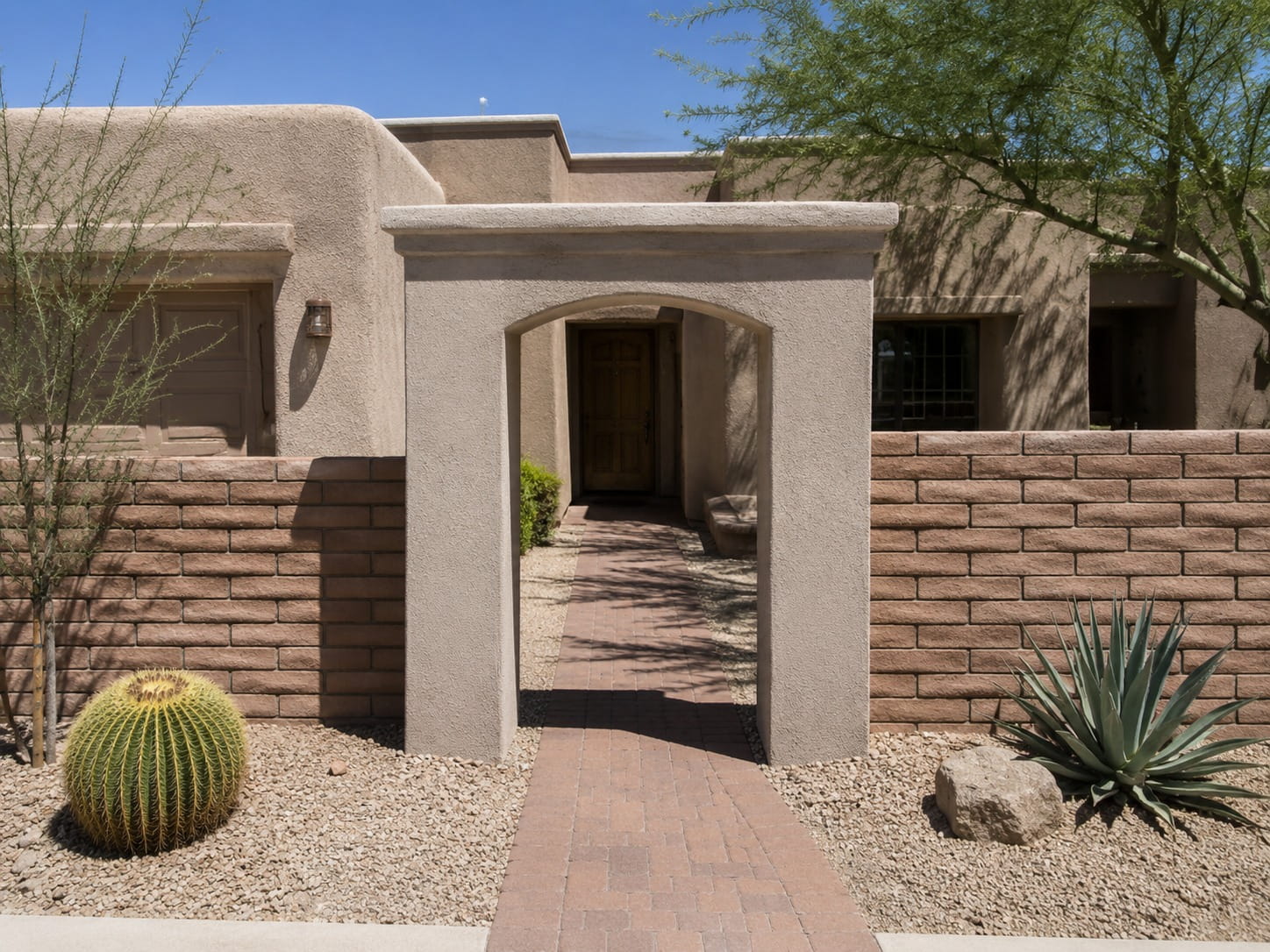
Why The Cut Face Needs As Much Care As The Wall
The temporary cut face is a real hazard, not a formality. Cut back to a safe batter, it stands; cut vertically in loose material, it does not.
Leaving working room behind the wall line for drain rock and compaction is easy to forget at excavation stage and expensive to correct later.
Safe Temporary Batter
Cut faces laid back appropriately for the material so the excavation is stable while work proceeds.
Footings To Bearing
Trenches excavated to competent material at the specified width and depth.
Working Room Behind
Space allowed for drain rock, fabric, and compaction equipment behind the wall line.
Sequenced With Build
Excavation staged so faces are not left open longer than the construction requires.
Retaining Wall Excavation: How We Work
Three clear steps keep the site organized, the scope understandable, and the finished masonry durable.
Assess Slope And Soil
We review the retained height, the material being cut, and the wall design before setting the excavation approach.
Cut And Trench
The slope is cut back to a safe batter and the footing trench is excavated to depth and width.
Prepare Drainage Zone
Working room behind the wall line is formed and the base prepared for drainage material.
Retaining Wall Excavation Built For Tucson Conditions
Tucson masonry has to handle heat, dry air, monsoon moisture, and soil movement. We plan each detail so the finished work is attractive, stable, and practical for Arizona conditions.
The goal is a clean scope before construction starts: the right material, the right repair method, and a clear explanation of how the work will hold up over time.
- Climate-ready materials selected for Tucson heat and monsoon exposure
- Clear estimates before masonry, foundation, or stucco work begins
- Residential and commercial sites handled with tidy staging
- Finished work reviewed for strength, appearance, and durability
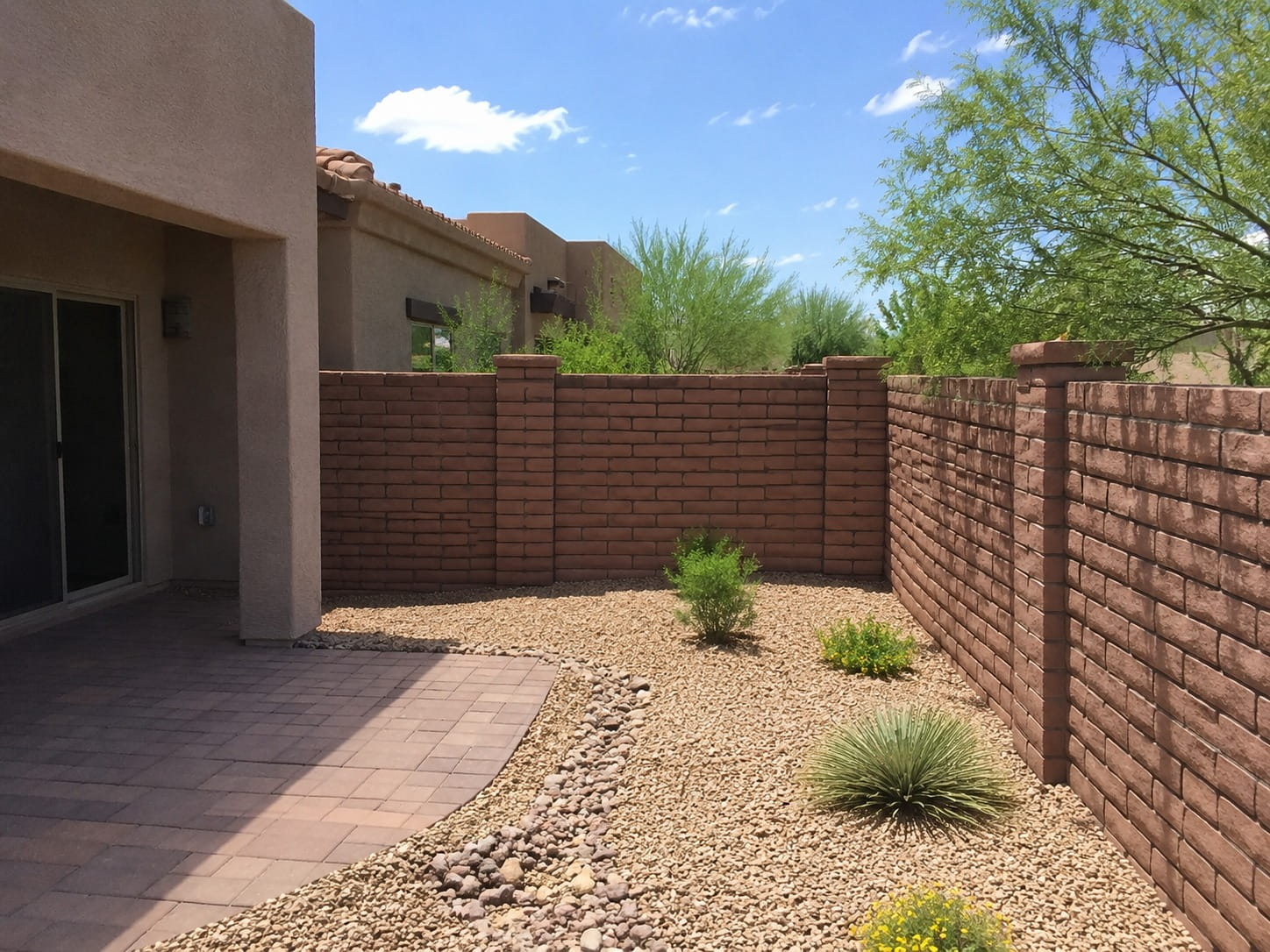
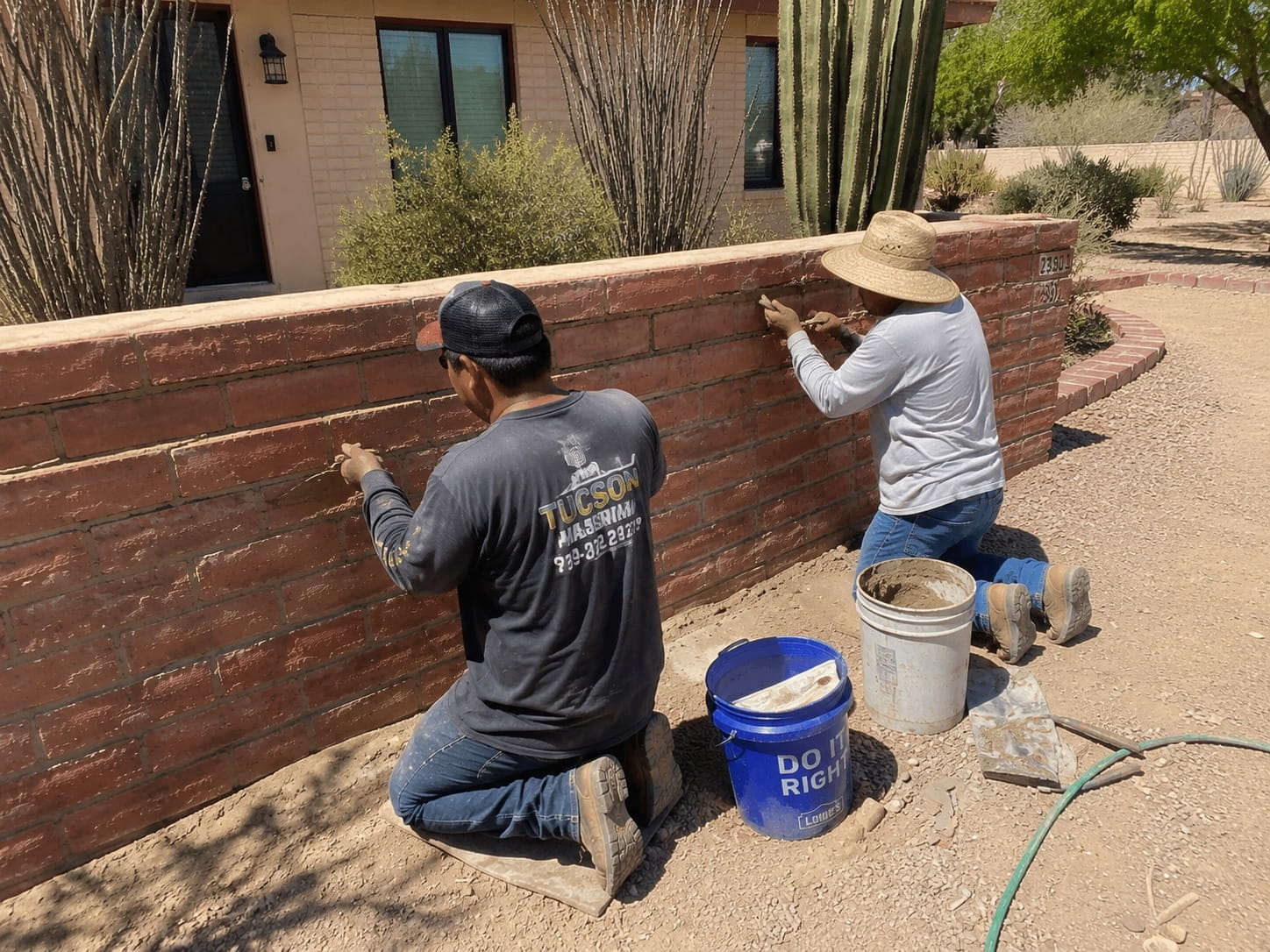
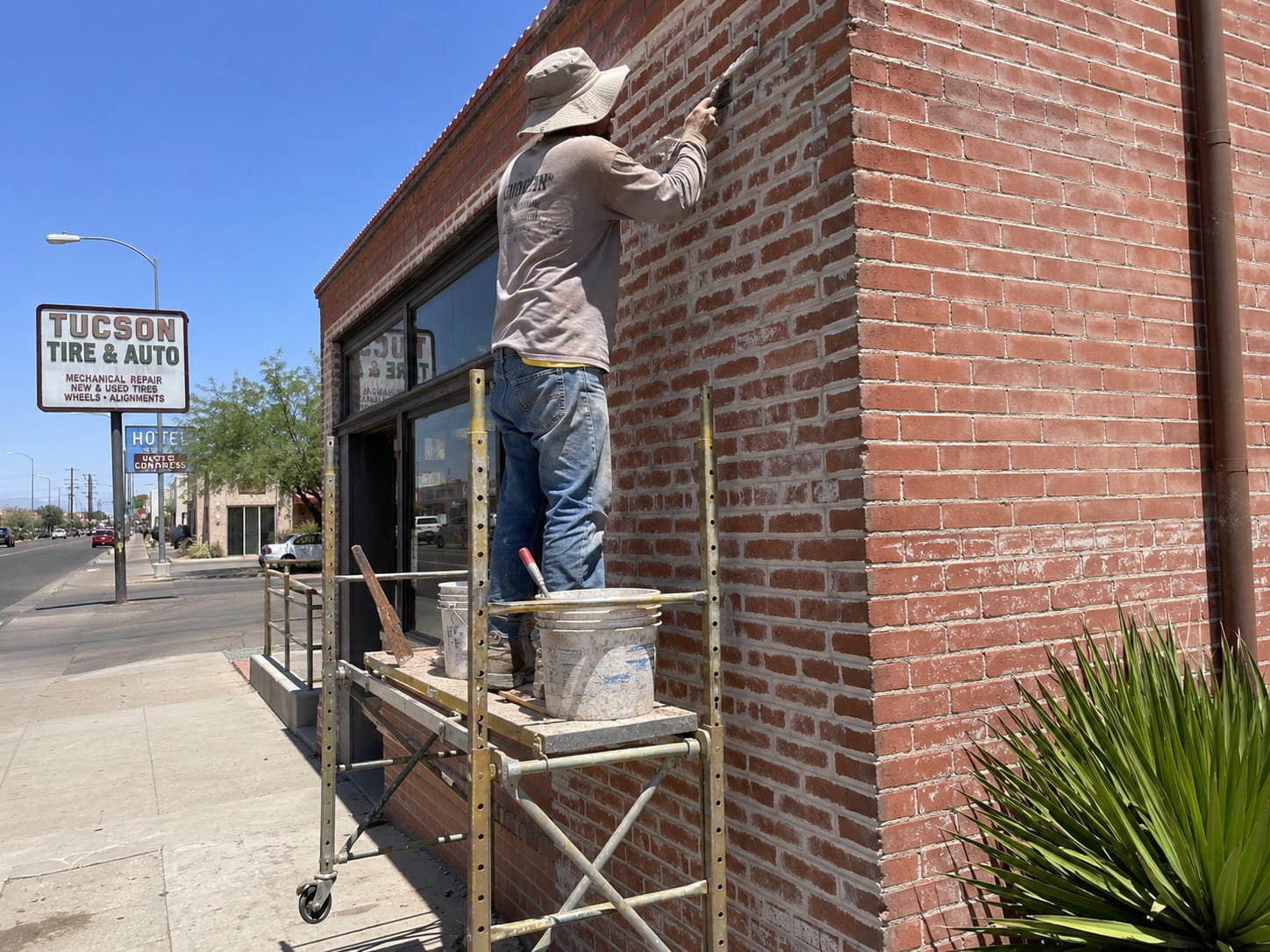
Retaining Wall Excavation Tucson: Project Gallery
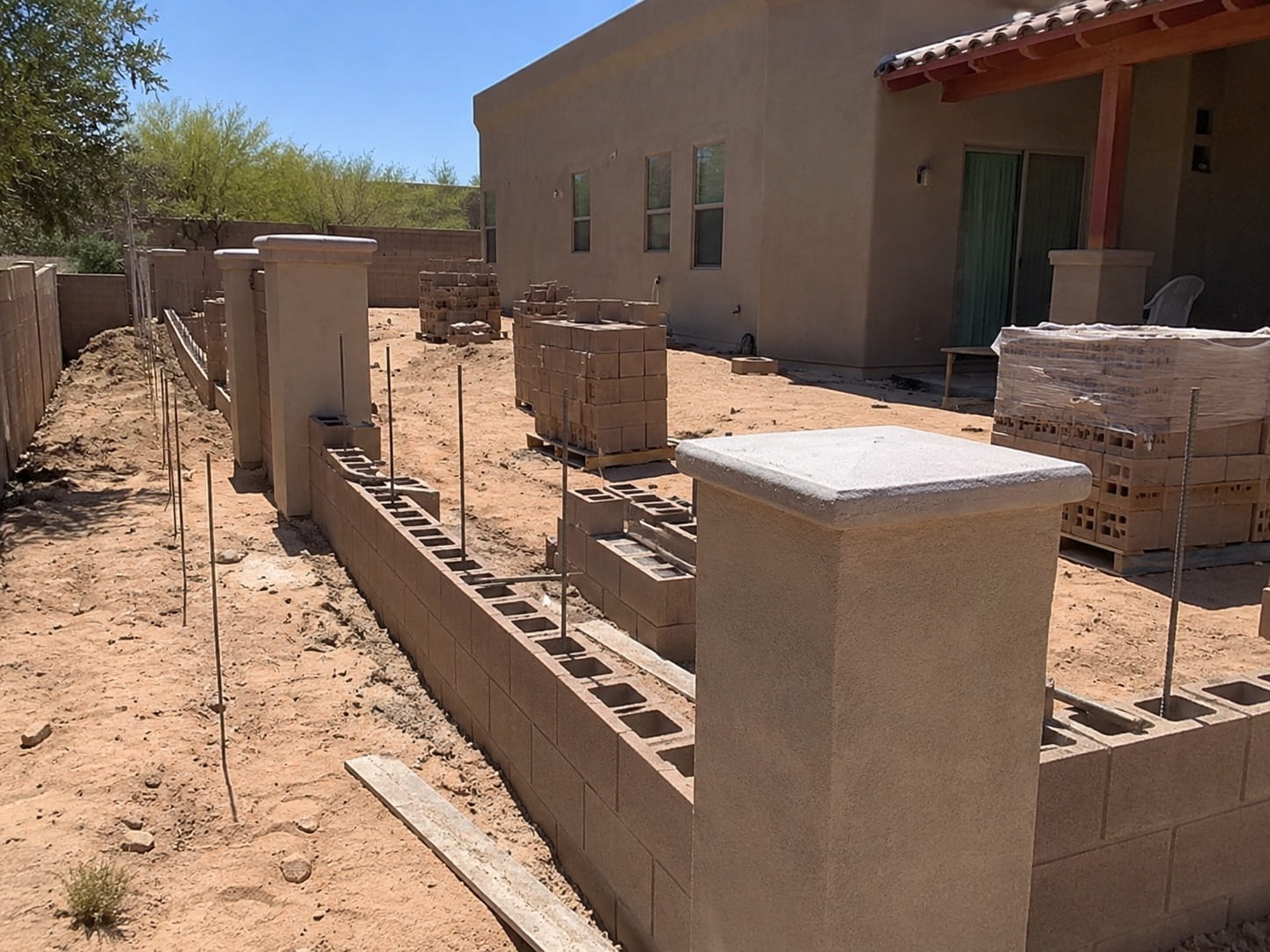
Visual examples of the material, finish, and site conditions that shape Tucson masonry work.
Get a Free Retaining Wall Excavation Estimate
Photos, site address, access, visible damage, preferred finish, and timeline help us respond with a clearer scope.
Tell us about the site
Clear Answers Before Work Starts
Practical answers for timing, matching, process, cost, and long-term performance.
How far back do you have to excavate behind a wall?
Enough for the drainage zone and for compaction equipment to work, which is typically more than people expect. Cramped working room behind a wall compromises the drainage that keeps it standing.
Is the temporary cut face dangerous?
It can be. Height, material, and moisture all matter. We lay faces back to a safe batter, and deeper excavations may need shoring or benching.
How deep does a retaining wall footing go?
To competent bearing material and deep enough that the toe cannot be undermined by erosion in front of the wall. The design sets the specifics.
Can you do the excavation and build the wall?
Yes. Handling both means the excavation is dug for how the wall will actually be built rather than to a generic profile.
What if we hit caliche at footing depth?
Often good news, because it is usually sound bearing. It is harder to excavate, so it affects time and cost, but it is generally a better foundation than soft material.
Plan Retaining Wall Excavation Tucson With A Local Tucson Mason
Send the site address, project notes, photos if available, and your timeline. We will help you understand the right next step before work begins.