Concrete Foundation Contractors In Tucson
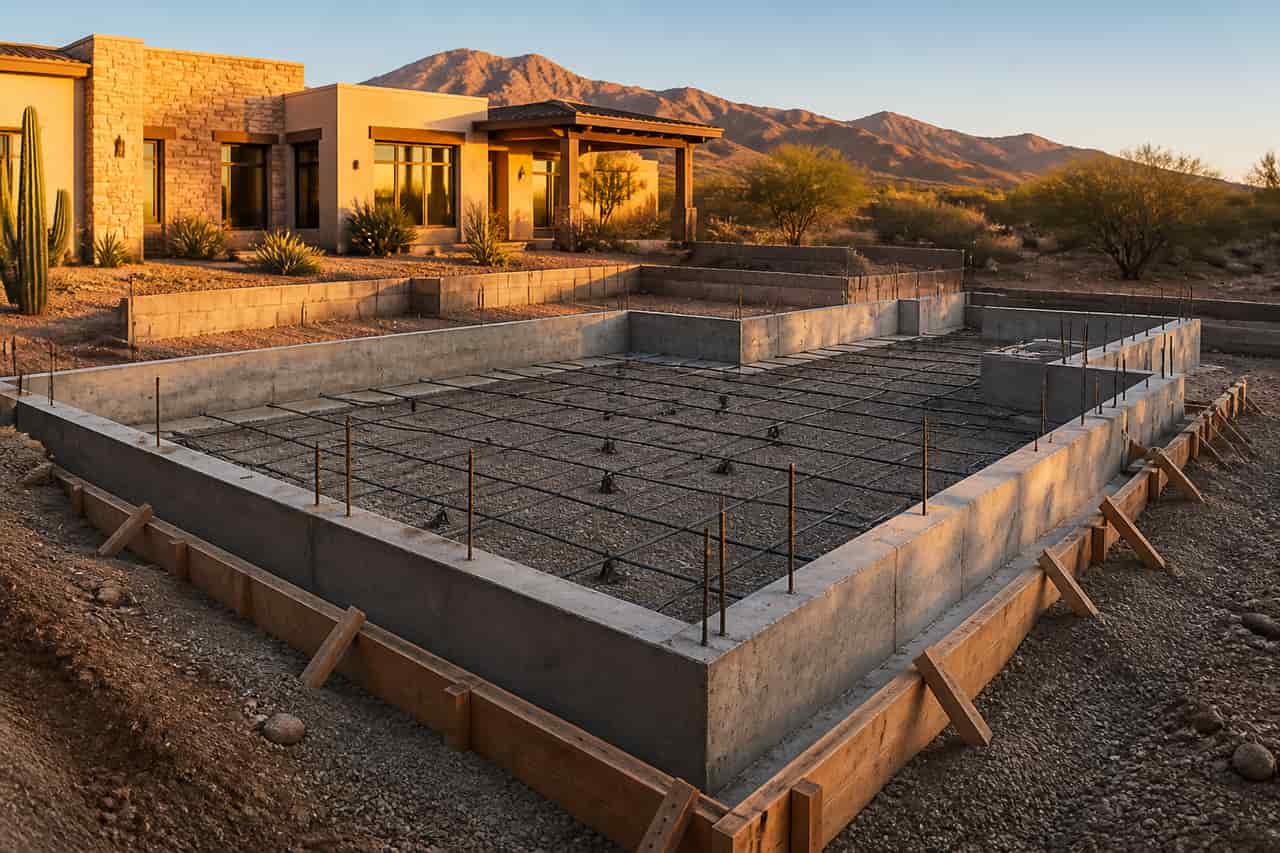
A foundation is the one part of a building you cannot easily correct later. Everything above it depends on the footing being sized for the load and bearing on soil that will not move. In the Tucson basin that means dealing with caliche layers, expansive clays, and fill soils that were never compacted properly when the lot was graded.
We pour footings, stem walls, grade beams, and monolithic slabs for new construction, additions, casitas, garages, and outbuildings. Our Tucson masonry and concrete crews start with the soil conditions and the load path, then size the footing width, depth, and reinforcement to match rather than defaulting to a standard detail.
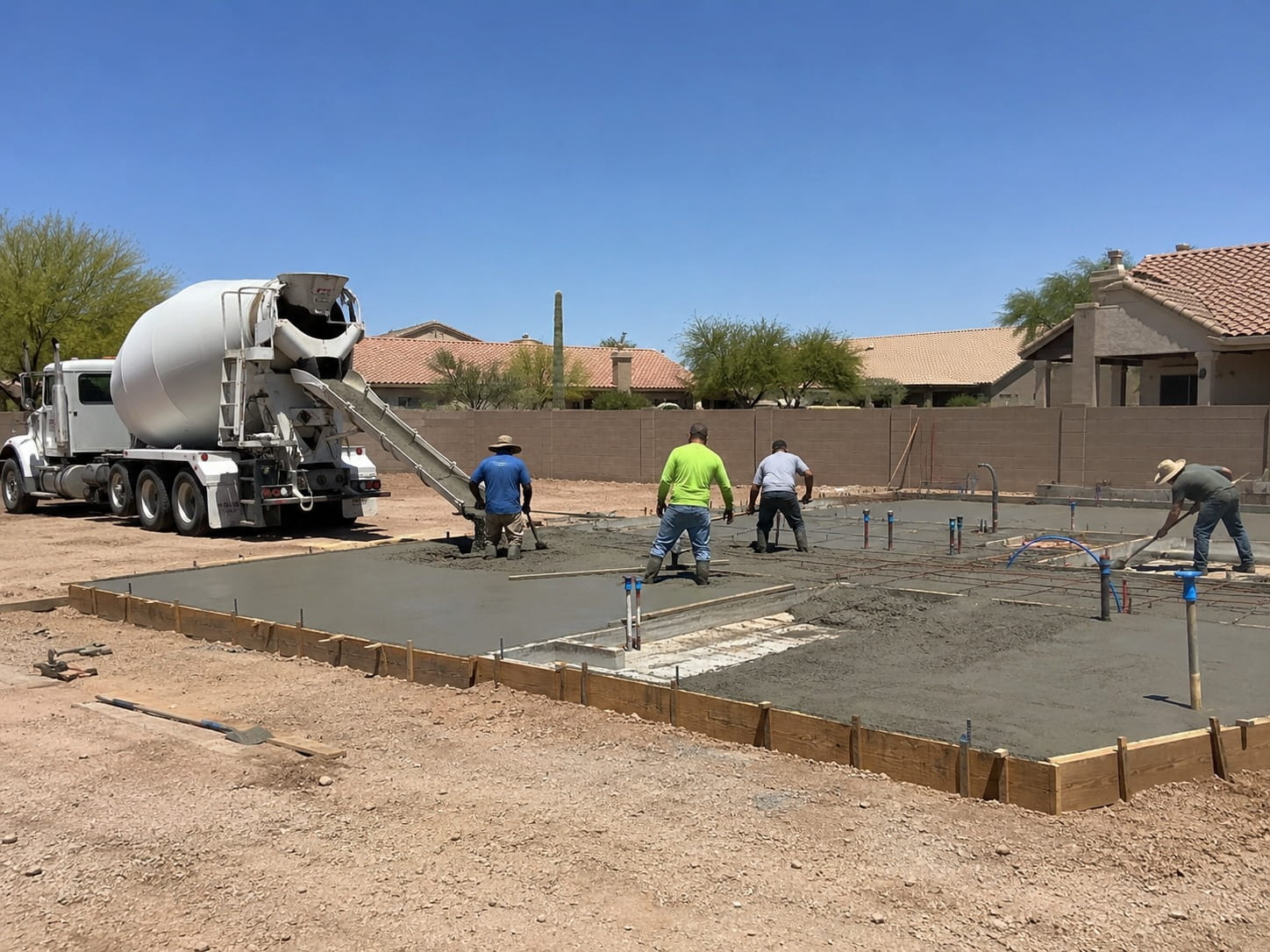
Trenching, rebar placement, and inspection coordination are all handled as part of the scope. We keep excavations open only as long as needed, tie steel to the specified spacing with correct cover and laps, and place concrete at a rate that avoids cold joints in long pours.
Whether you are building new or extending an existing structure, we will walk you through what the soil at your site requires and why, before anything is dug.
Tell us about the site
Why Foundation Work Starts With The Soil
Foundation problems are almost always soil problems that showed up later. Getting the bearing and drainage right at the start is far cheaper than underpinning afterward.
We keep footing depth, width, and steel details documented, so if the structure is ever modified there is a record of what it is sitting on.
Soil-Matched Footings
Width, depth, and reinforcement sized to the bearing conditions actually found on your lot.
Correct Steel Placement
Rebar tied to specified spacing with proper cover and lap lengths, not eyeballed.
Monolithic or Stem Wall
Either approach available, chosen for your structure, grade, and budget rather than habit.
Inspection Coordination
Trench and steel inspections scheduled so the pour is not held up or done out of sequence.
Concrete Foundations: How We Work
Three clear steps keep the site organized, the scope understandable, and the finished masonry durable.
Layout and Excavation
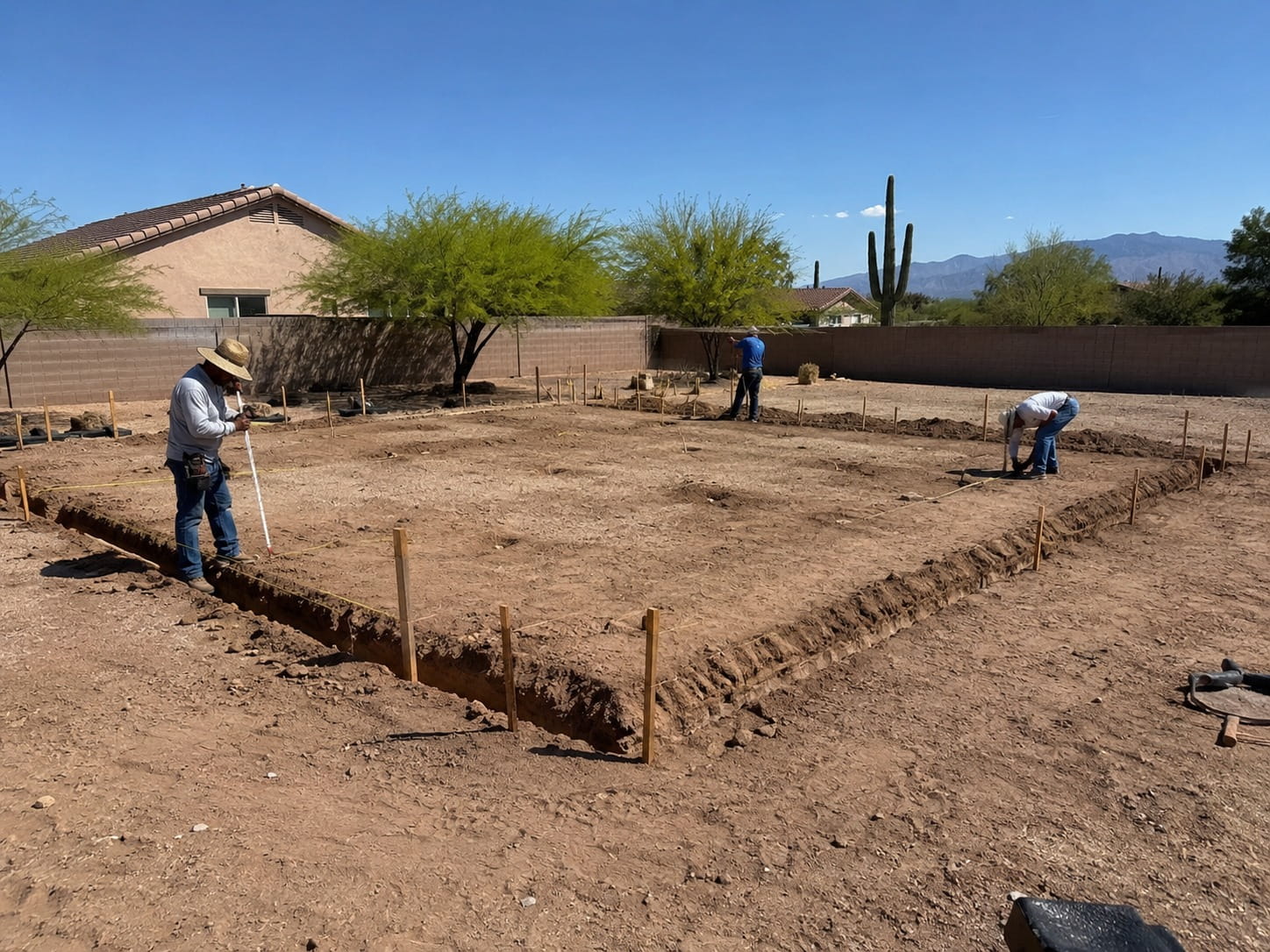
Footprint is staked, trenches are dug to the specified depth, and bearing soil is checked before steel goes in.
Steel and Forms
Rebar is placed and tied, forms set for stem walls where required, and embeds or anchor bolts positioned.
Pour and Cure
Concrete is placed continuously, consolidated, finished, and cured before framing loads arrive.
Concrete Foundations Built For Tucson Conditions
Tucson masonry has to handle heat, dry air, monsoon moisture, and soil movement. We plan each detail so the finished work is attractive, stable, and practical for Arizona conditions.
The goal is a clean scope before construction starts: the right material, the right repair method, and a clear explanation of how the work will hold up over time.
- Climate-ready materials selected for Tucson heat and monsoon exposure
- Clear estimates before masonry, foundation, or stucco work begins
- Residential and commercial sites handled with tidy staging
- Finished work reviewed for strength, appearance, and durability
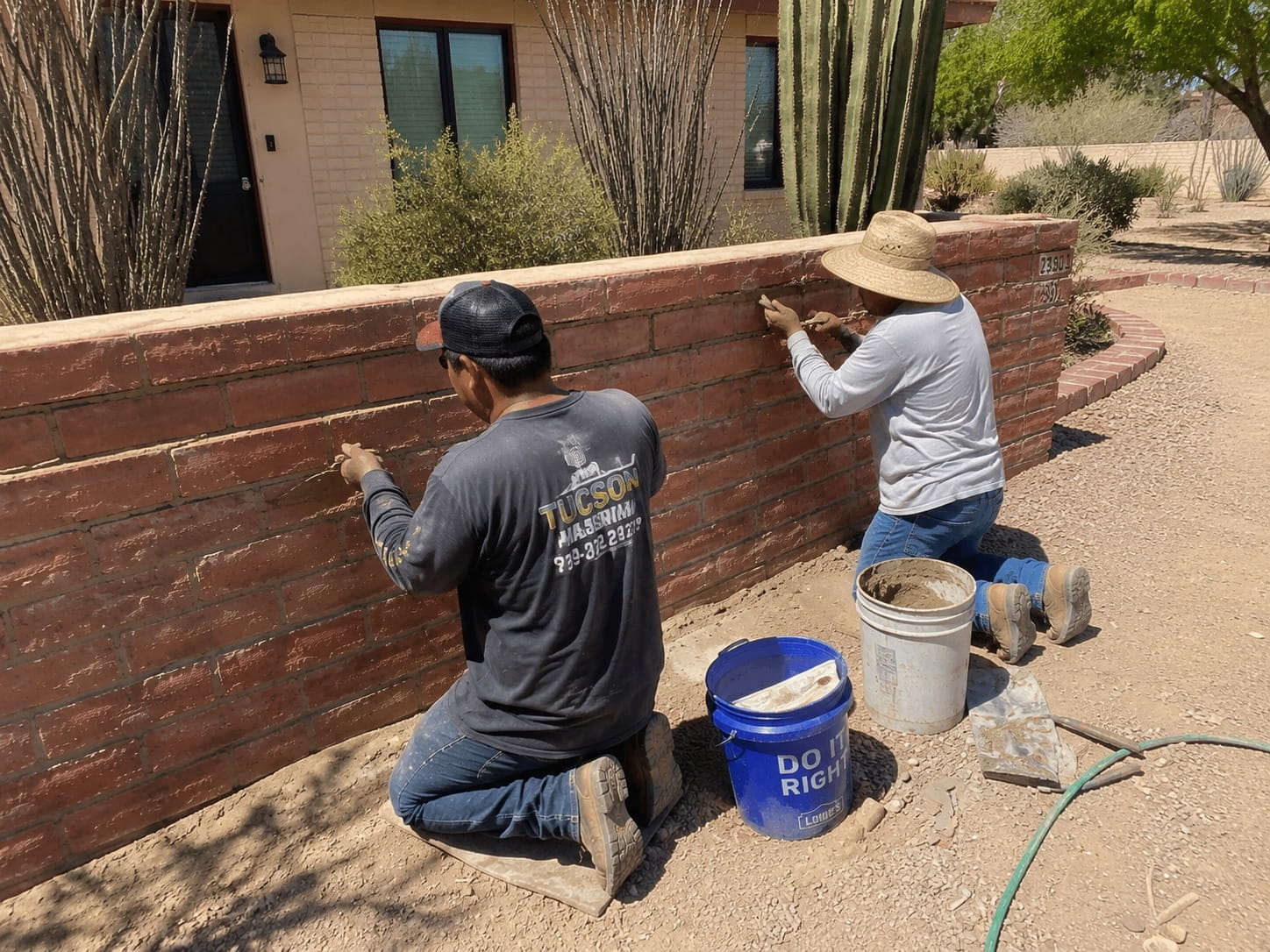
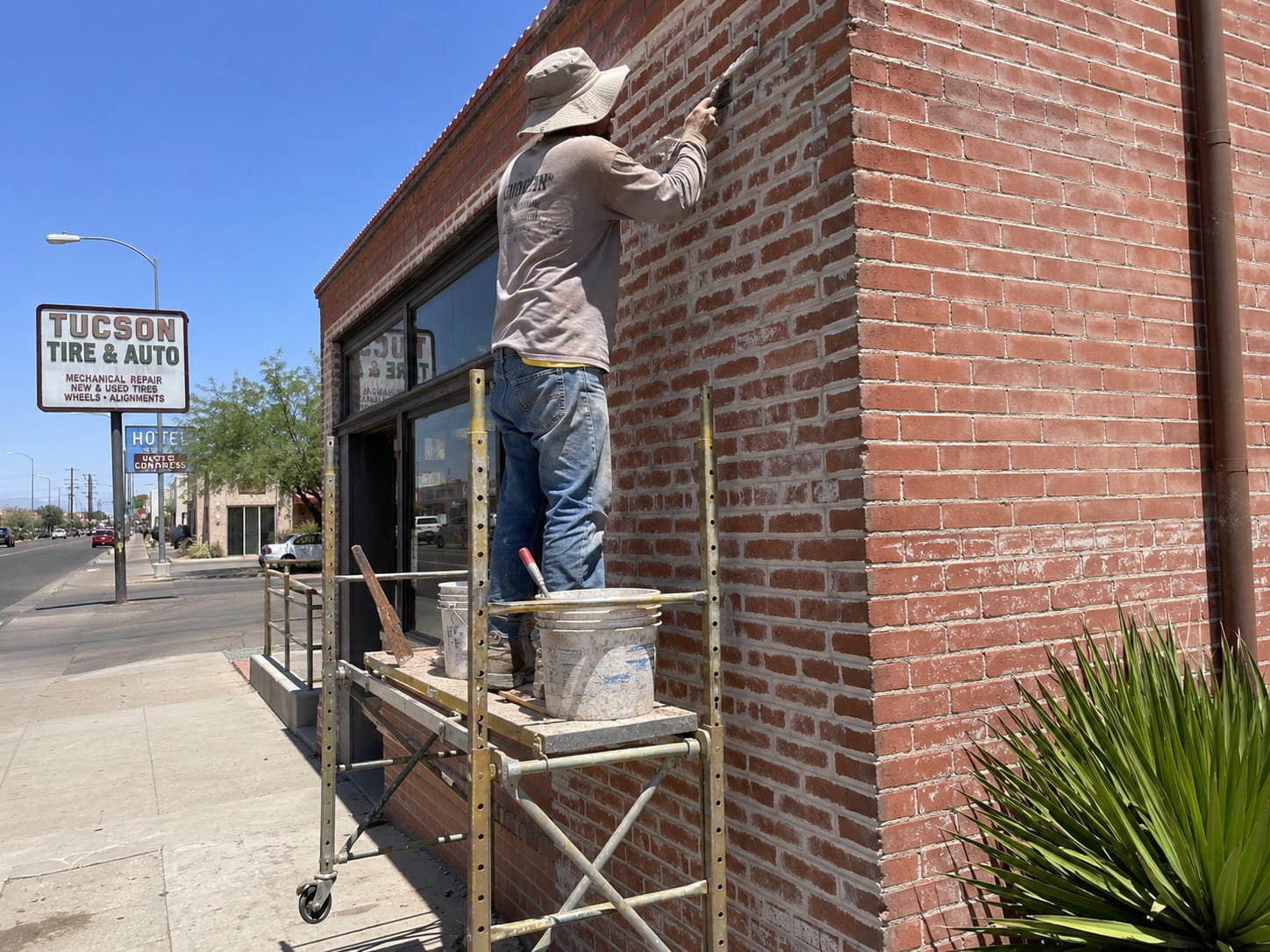
Concrete Foundations Tucson: Project Gallery
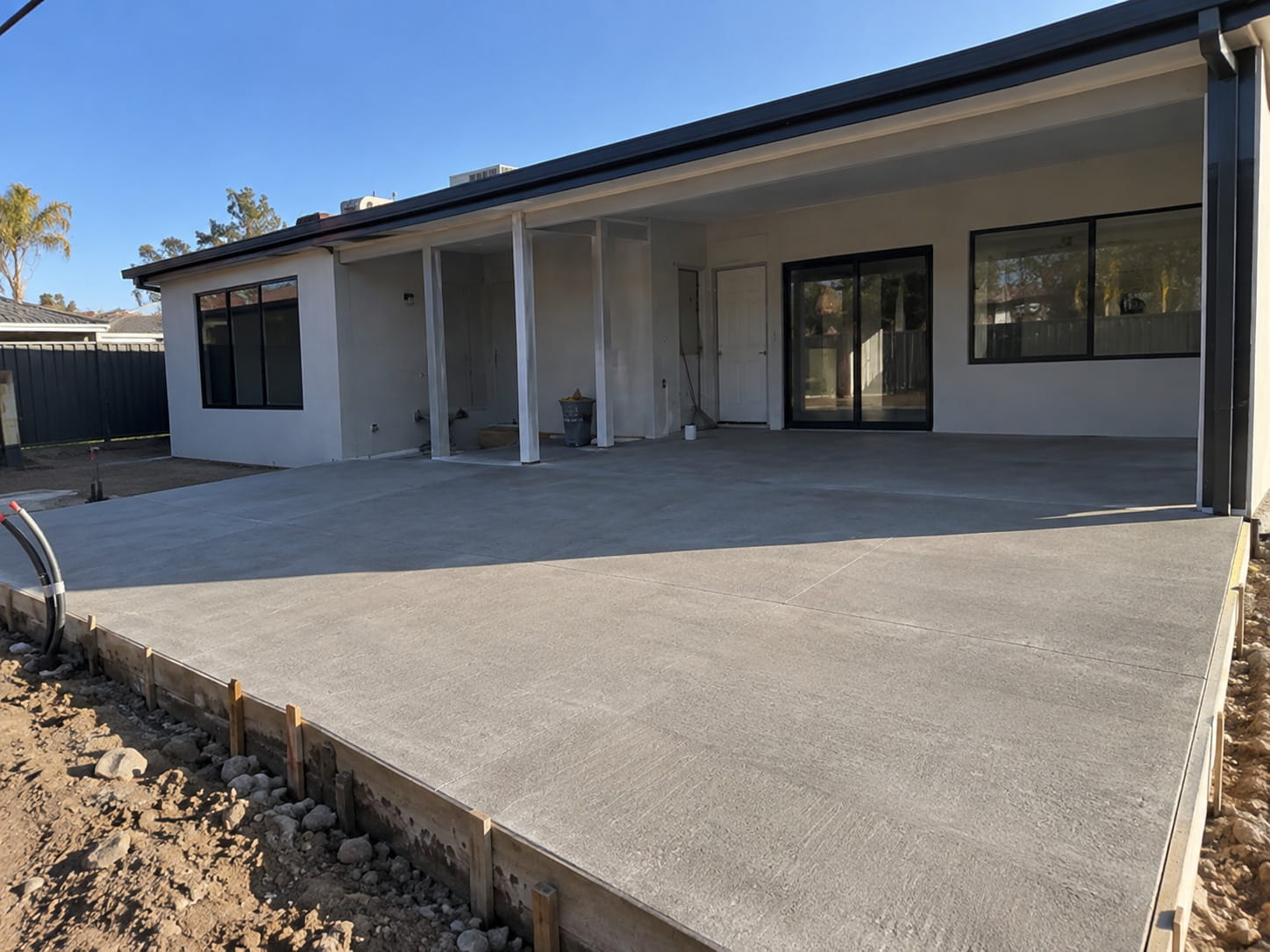
Visual examples of the material, finish, and site conditions that shape Tucson masonry work.
Get a Free Concrete Foundations Estimate
Photos, site address, access, visible damage, preferred finish, and timeline help us respond with a clearer scope.
Tell us about the site
Clear Answers Before Work Starts
Practical answers for timing, matching, process, cost, and long-term performance.
How deep do footings need to be in Tucson?
Depth is set by the load, the soil, and the applicable code minimum. Caliche and poor fill often push footings deeper than the minimum, which is why we check bearing before pouring.
What is the difference between a monolithic slab and a stem wall foundation?
A monolithic pour places the footing and slab in one operation, which is fast and works well on flat lots. A stem wall raises the floor above grade and suits sloped sites or where you want more separation from soil moisture.
Can you pour a foundation for an addition or casita?
Yes. Tying a new foundation to an existing structure is common work for us, and it needs particular care at the connection so the two do not settle differently.
How long before we can frame on a new foundation?
Typically about a week for full-load framing, though this varies with mix, thickness, and weather. We confirm per pour.
Do you handle the excavation too?
Yes. Trenching, spoil handling, and grading around the foundation are part of our scope.
Plan Concrete Foundations Tucson With A Local Tucson Mason
Send the site address, project notes, photos if available, and your timeline. We will help you understand the right next step before work begins.